

Quick Summary / At A Glance
- Highway tyres trade off-road grip for a quiet ride, long tread life and steady wet-weather grip on sealed roads.
- The original list was one Firestone range in ten sizes; this guide explains the category instead of repeating the listings.
- Load rating matters more than brand for a working truck, and bigger is not automatically better.
- The Firestone Transforce family (HT2, HT and CV) is the worked example, made by Bridgestone.
- Replace as a set of four so wear and handling stay even.
Light truck highway tyres are the tyres most working trucks actually need: quiet on the motorway, stable under load and built to cover high mileages. This guide explains what they do well, where their limits lie and how to choose a set.
The original version of this article listed the Firestone Transforce in ten sizes, with the same claims repeated ten times. This rewrite keeps the useful facts — the sizes, the range’s strengths and the buying advice from its FAQ — and drops the repetition and the invented first-person reviews.
What Light Truck Highway Tyres Are Built to Do
A highway tyre uses a ribbed tread pattern with closed shoulders and fine grooves that clear water. That design keeps noise down and the contact patch steady at speed, which is why light truck highway tyres feel calmer than chunky all-terrain tyres on tarmac.
The compound is chosen for wear as much as grip. Fleet and commercial users judge these tyres on cost per mile, so tread life and resistance to chips and punctures come first.
The tread’s straight circumferential grooves do most of the water clearing at motorway speed. Sipes and smaller slots then handle the film of water that remains, which is where wet braking grip comes from.
The trade-off is grip away from sealed roads. Mud, deep snow and loose tracks quickly overwhelm a highway tread, so drivers who leave the tarmac regularly should look at all-terrain designs instead.
Highway Tyres vs All-Terrain Tyres
The original FAQ drew the same line between all-season and all-terrain truck tyres. All-terrain designs carry deeper tread and tougher construction for gravel, mud and snow, and they pay for it with more noise and faster wear on tarmac.
Neither type is better in the abstract. The right answer depends on the split between the roads you drive, and for most trucks that split is heavily in favour of sealed surfaces.
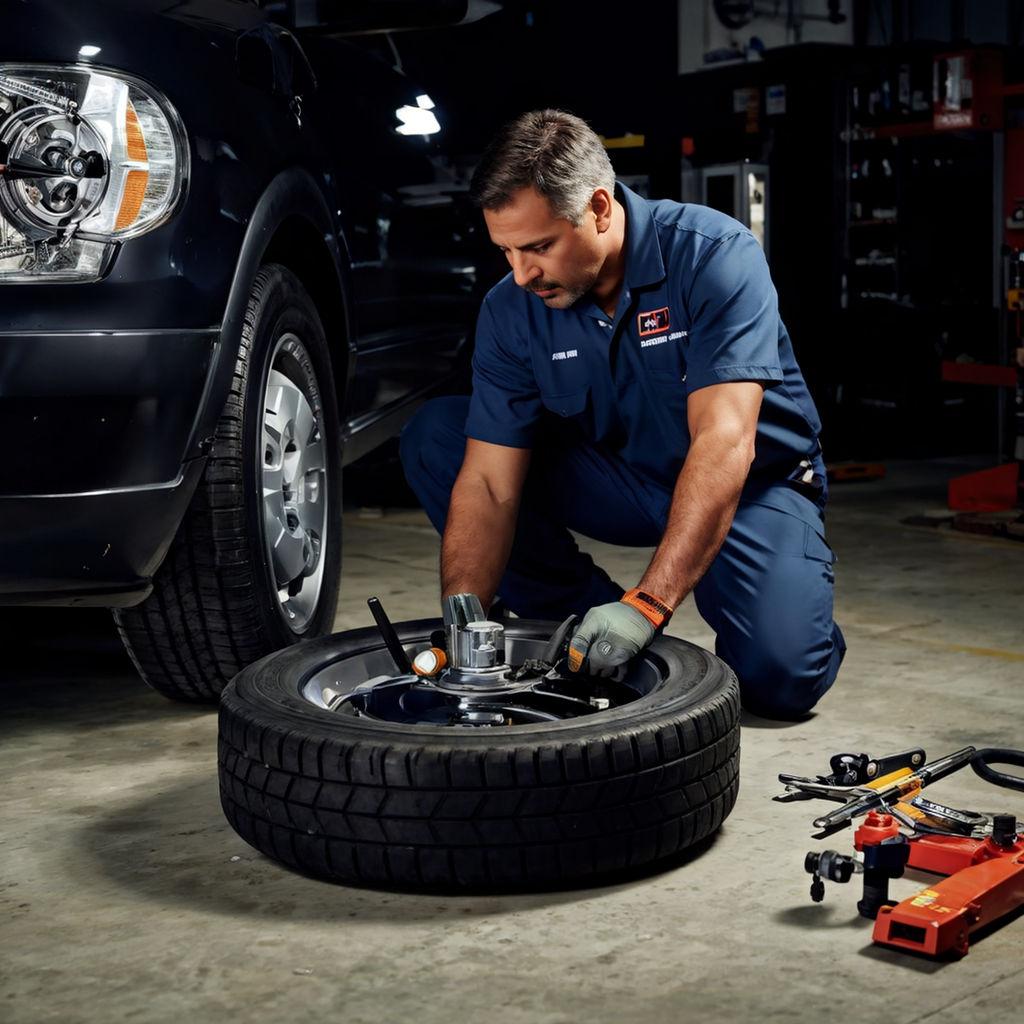
The Transforce Range: One Family, Ten Sizes
Every listing in the original article came from one family: Firestone’s Transforce range, made by its parent company Bridgestone. The three lines divide the work like this.
| Model | Example sizes from the original list | Role |
|---|---|---|
| Transforce HT2 | LT245/75R16, LT265/75R16, LT285/60R20 | Current highway line for pickups and commercial trucks |
| Transforce HT | LT245/70R17, 8.75R16.5LT | Earlier highway line for work trucks |
| Transforce CV | 195/75R16C | Vans and commercial vehicles |
Across the listings, the same strengths were claimed for the range: grip on dry and wet roads, durability under heavy loads, a comfortable ride with minimal noise and decent fuel efficiency. Those are exactly the qualities a highway tyre is designed around, so treat them as the category’s design aims rather than test results.
The sizes tell their own story, running from the CV’s 27.5-inch van fitment to the HT2’s 33.5-inch LT285/60R20. Bridgestone, Firestone’s parent, publishes the current range and fitments.
The listings also underline how much the fitment matters: weights ran from about 27 lb for the CV to just over 50 lb for the largest HT2. Heavier, higher-rated tyres cost more to buy and to run, which is another reason to fit the rating the truck needs rather than the largest available.
Key Takeaways About Light Truck Highway Tyres
- Highway tyres are optimised for sealed roads: quiet, stable and long-wearing.
- They are the wrong choice for regular mud or deep snow; all-terrain or winter tyres do that work.
- The Transforce HT2, HT and CV cover pickups, work trucks and vans respectively.
- Load rating is the specification that protects a working truck; never fit below the maker’s requirement.
- Bigger tyres do not automatically perform better; fit the size the manufacturer specifies.
- Buy and replace as a set of four for even wear and predictable handling.
Load Ratings: The Specification That Matters Most
The original FAQ put load rating first, and rightly so. Load rating is the maximum weight a tyre can safely carry, and a truck that works for a living lives close to that limit.
Choose light truck highway tyres with a load rating at least equal to the vehicle maker’s requirement. Always follow the vehicle owner’s manual and the tyre sidewall and manufacturer specifications rather than a listing’s headline size.
The load index is printed on the sidewall as part of the service description, next to the speed symbol. If the numbers on a candidate tyre fall below the door-placard figures, walk away, however good the price looks.
Load also drives wear, as the FAQ noted: a fully loaded truck wears its tyres faster than an empty one. The NHTSA tyre safety pages explain load and inflation together, because the two are linked.
How to Choose Light Truck Highway Tyres
Start with the driving you actually do, highway or off-road, as the original FAQ advised. Mostly motorway miles point to a highway tyre; regular rough tracks point elsewhere.
Then shortlist by size and load rating, not by brand loyalty. Our light truck tyre brands comparison shows how the major makers divide the market, and the FAQ credited Michelin, Goodyear and Yokohama with the longest-lasting truck tyres.
Compare fitted prices across sellers and check the seller’s support before you buy, as the original buying guide recommended. Independent results at TyreReviews help you judge wet grip and wear claims.
Read owner reviews for the pattern you are considering, especially from drivers running the same kind of truck. Check what the treadlife warranty actually promises and what it excludes, because commercial use is sometimes treated differently.
Finally, replace light truck highway tyres as a set of four where you can. Matching tyres on both axles keep braking and handling predictable, which matters most on a loaded truck.
Living With Light Truck Highway Tyres
Check pressures monthly and before long or loaded trips. Our complete tyre care guide covers the routine, including rotation and tread-depth checks.

Keep an eye on the shoulders in particular. Sustained high-speed work builds heat, and under-inflation shows first as shoulder wear and rising fuel use.
Rotate on schedule and keep the alignment honest, because a ribbed highway tread shows uneven wear early. Catching it early is the cheapest way to protect the long life you paid for.

Remember the winter limit too: most highway tyres are not snow tyres. If your winters bite, our guide to all weather light truck tyres explains the certified alternative.
Conclusion: Buy for the Roads You Drive
Light truck highway tyres reward drivers who spend their miles on sealed roads with quiet running and long life. The Transforce range shows the formula clearly: one solid design, many sizes, no off-road pretence.
If you are torn between a highway tyre and an all-terrain tyre, count your off-road miles honestly over a year. Most drivers who do that arithmetic end up on highway tyres, and their fuel bills show why.
Match the size and load rating to your truck, buy from a seller who will support the set, and the tyres will repay you in miles.