
Quick Summary / At A Glance
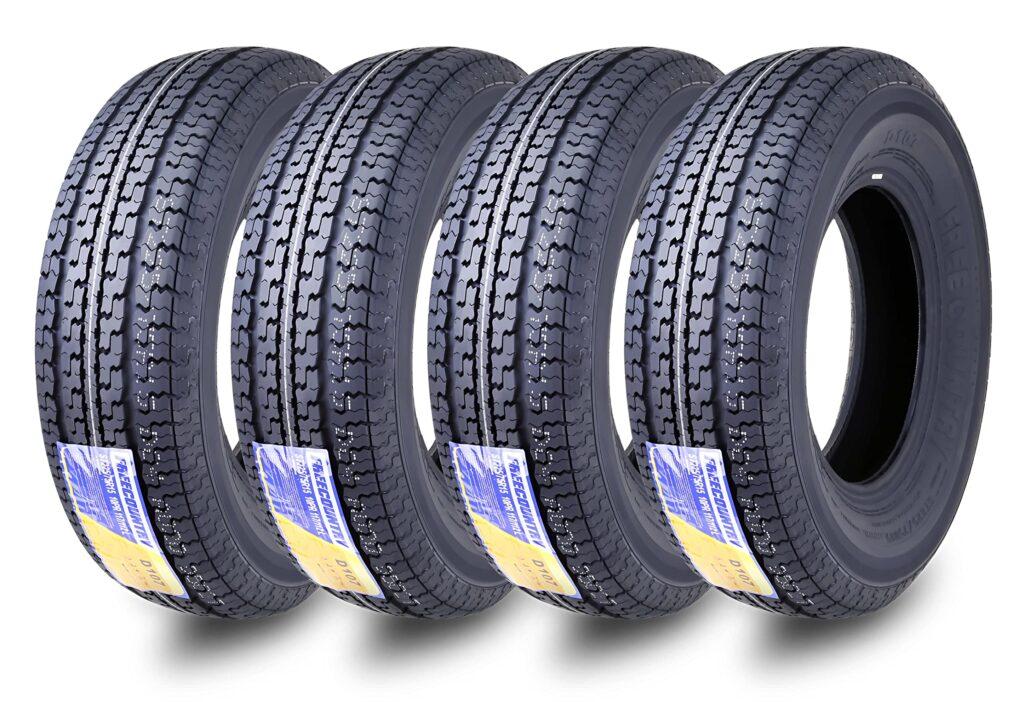
- Well-kept trailer tyres typically last four to six years, and age matters as much as tread depth.
- Trailer tyre durability is decided mainly by inflation, loading, storage and driving habits.
- Under-inflation is the biggest killer: it builds heat inside the tyre and weakens its structure.
- ST (special trailer) tyres have stronger sidewalls than car or light-truck tyres and are built for towing.
- Inspect before every trip and replace tyres with sidewall damage, cracks or bulges straight away.
Trailer tyre durability is rarely about luck. It comes down to how the tyres are inflated, loaded, stored and driven on, week after week.
This guide explains what actually decides how long trailer tyres last, and the habits that stretch that life safely. It also covers when a repair is reasonable and when replacement is the only honest answer.
Trailer tyres also age differently from car tyres, because many trailers spend most of the year parked. That is why this guide treats storage and age as seriously as mileage.
What Decides Trailer Tyre Durability: Four Factors
Understanding trailer tyre durability starts with four factors: maintenance, loading, storage and driving habits. The original research behind this guide kept returning to the same four, because they account for nearly every early trailer tyre failure.
Road conditions and weather play a part too, since heat, moisture and rough surfaces all age rubber faster. You cannot control those, but you can control everything in the table below.
| Factor | What shortens tyre life | What protects it |
|---|---|---|
| Inflation | Running soft, which builds heat and weakens the casing | Checking cold pressures before every trip |
| Loading | Exceeding the trailer’s GVWR or the tyre’s load rating | Weighing the loaded trailer and staying within ratings |
| Storage | Sunlight, moisture and standing on bare dirt | Cool, dry, covered storage off the ground |
| Driving habits | Speeding, sharp turns and sudden braking | Steady towing within the tyre’s speed rating |
| Age | Rubber hardening and cracking over time | Replacing tyres every four to six years |
Loading deserves special care, because a trailer can feel fine while its tyres are overloaded. Our trailer tyre load capacity guide walks through the ratings and the maths in detail.
Inflation: The Trailer Tyre Durability Habit That Matters Most
Nothing undermines trailer tyre durability faster than running soft. An under-inflated tyre flexes too much, builds heat inside its structure, and suffers the kind of internal damage that ends in a blowout.
Under-inflation also raises rolling resistance, which wastes fuel, and makes the trailer less stable on uneven ground. Over-inflation is not the answer either: it shrinks the contact patch, wears the centre of the tread and gives a harsher, less settled ride.

Check pressures cold, before every trip and after any long idle period, and never judge a tyre by how it looks. The NHTSA tyre safety pages explain why a tyre can be badly under-inflated while appearing normal.
Always follow the vehicle owner’s manual and the tyre sidewall and manufacturer specifications for pressure and load. The maximum pressure moulded into the sidewall is a limit for the tyre at its maximum load, not a target for everyday use.
Loading: Stay Inside the GVWR
Work out your limit before you load. Find the trailer’s gross vehicle weight rating (GVWR) in the manual, weigh or estimate the empty trailer, and the difference is the most cargo you may carry.
The original guide’s example makes it plain: with a GVWR of 5,000 lb and an empty trailer of 2,000 lb, the cargo must stay under 3,000 lb. Go over it and you invite blowouts, poor stability, fines and even problems with insurance after an accident.
Weight distribution matters as much as the total. Load the trailer so the nose weight stays within the hitch limit and heavy items sit over the axles, because a badly balanced load makes individual tyres carry far more than their share.
Tyre choice matters here too. ST tyres are built specifically for trailers, with stronger sidewalls, while LT tyres are light-truck tyres and P tyres are passenger-car tyres that are not recommended for trailer use.
The load rating tells you how much weight each tyre can support, and the speed rating how fast it can safely run. Manufacturer resources such as the Bridgestone tyre pages explain both ratings in more depth.
Key Takeaways for Trailer Tyre Durability
- Inflation, loading, storage and driving habits decide how long trailer tyres last.
- Check cold pressures before every trip; never trust how a tyre looks.
- Never exceed the trailer’s GVWR or the load rating on the tyre’s sidewall.
- Inspect before and after each trip for cracks, bulges, cuts and uneven wear.
- Store the trailer cool, dry and covered, with tyres off bare ground.
- Replace trailer tyres every four to six years, whatever the tread looks like.
Inspection, Rotation and Storage Between Trips
Inspect the tyres before and after every trip, looking for uneven wear patterns, sidewall cracks, bulges and embedded objects. A tyre worn below 2/32 of an inch of tread is finished and should be replaced.
Our checklist of signs that tyres need replacing covers the same warning signs in more detail. Catching a bulge in the driveway is far better than meeting it at motorway speed.
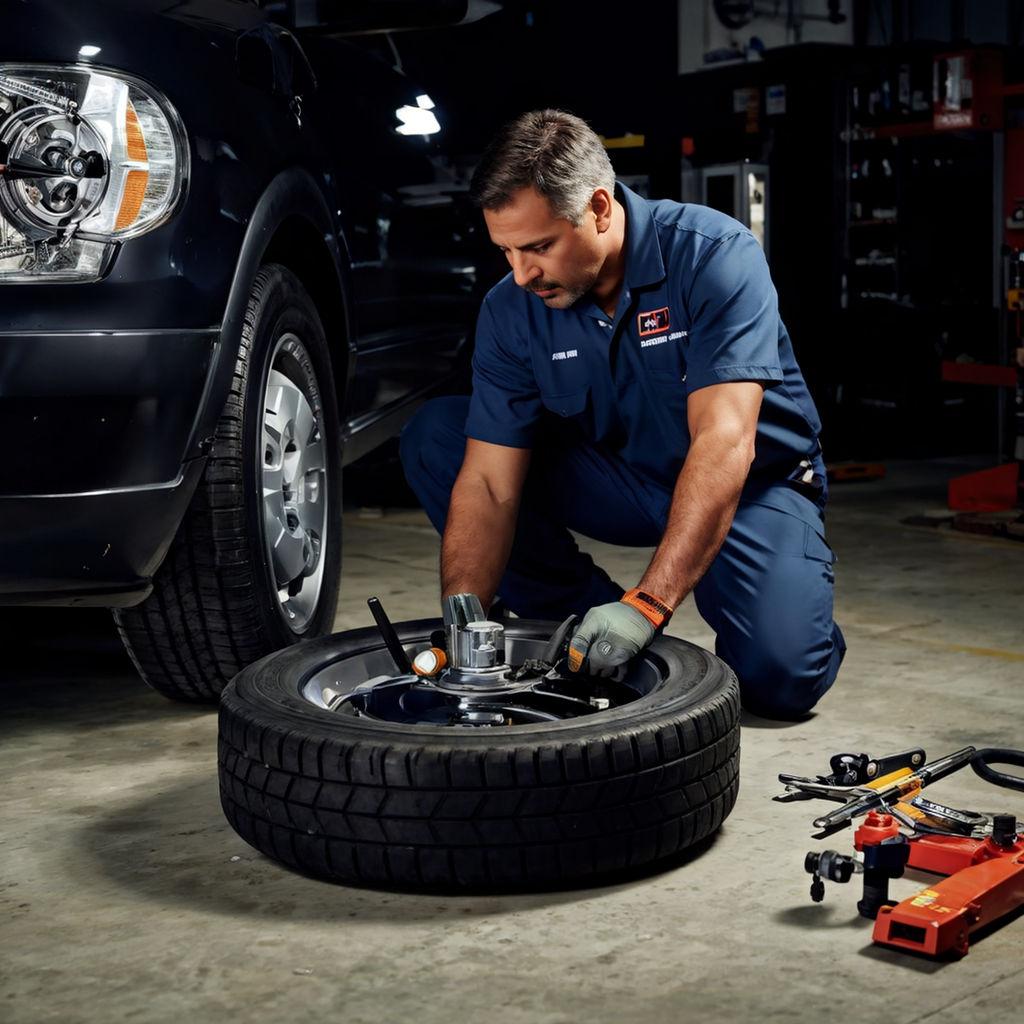
Rotate trailer tyres every 5,000 to 7,500 miles so they wear evenly, as the original guide advised. The pressure and rotation routine in our complete tyre care guide applies to trailer tyres just as it does to car tyres.
Storage is where trailer tyre durability is quietly won or lost, because trailers sit still for most of their lives. Clean the tyres with water and mild soap, then store the trailer somewhere cool and dry, away from direct sunlight.
Tyre covers block the ultraviolet light that cracks rubber, and spares are best stored upright rather than stacked flat. The U.S. Tire Manufacturers Association gives the same advice, and warns against leaving tyres standing on dirt or sand or dressing them with petroleum-based shine products.
Driving habits finish the job that maintenance starts. Slow down on wet or rough roads, leave a bigger gap, and avoid sudden braking or sharp turns, all of which scrub tread and stress sidewalls.
Repair or Replace? Reading the Warning Signs
A small puncture in the tread area can often be repaired by a professional, and a slow leak is worth investigating before it becomes a roadside failure. Anything more serious ends the discussion.
Sidewall damage, cracks, bulges and punctures near the shoulder all mean replacement, not repair. Replacement, not repair, is also what protects trailer tyre durability when a tyre keeps losing pressure despite earlier fixes.

When you do replace a tyre, match the size and load capacity of the trailer’s original fitment exactly. Mixing sizes or ratings across an axle unbalances the load and shortens the life of every tyre on it.
Age settles the question on its own. Trailer tyres should be replaced every four to six years regardless of wear, because rubber hardens and weakens even on a trailer that barely moves.
Conclusion: Small Habits, Longer Life
Trailer tyre durability is not bought once; it is maintained. Correct pressure, sensible loading, shaded storage and a two-minute inspection before every trip do nearly all of the work.
None of this takes long, and all of it is cheaper than a replacement set bought early. It is also far cheaper than dealing with a blowout and a damaged trailer at the roadside.
Do those things and your tyres should reach their full four-to-six-year life safely. Ignore them, and even the best trailer tyre will fail early, usually at the worst possible moment.