
Quick Summary / At A Glance
- Speciality Tires of America (STA) has manufactured tyres in the USA since 1915.
- The company specialises in bias ply tyres rather than the radials fitted to most modern cars.
- Its ranges cover agriculture, aircraft, industrial handling, light truck, military, mining and off-the-road work.
- Choosing the right speciality tyre means matching size, load capacity and tread pattern to the job.
- Correct inflation, regular inspection and dry, dark storage keep speciality tires safe and long-lasting.
Speciality Tires of America has been making tyres in the United States since 1915, which makes it one of the country’s oldest tyre makers. Unlike the big car-tyre brands, it concentrates on speciality tires for machines that work on farms, airfields, building sites and in mines.
This guide explains what the company makes, who its tyres are for, and how to choose the right size and tread. It also covers the inflation, inspection and storage habits that keep speciality tyres safe and long-lasting.
If you run older machinery, you may already rely on the company without realising it. Many low-volume bias ply sizes survive in production only because STA still makes them.
What Speciality Tires of America Makes: A Bias Ply Specialist
Speciality Tires of America, usually shortened to STA, builds its tyres at two American plants. They are in Indiana, Pennsylvania and Unicoi, Tennessee, and together they employ more than seven hundred people.
The company is a bias ply specialist, so its casing cords are laid diagonally across each other rather than at right angles to the tread. That construction gives a stiff, strong sidewall that suits slow, heavy, load-carrying work.
A radial tyre’s cords run straight across the casing, so its sidewall flexes more and the tread stays flatter on the road. Radials run cooler and grip better at speed, but a bias ply’s stiffer casing shrugs off sidewall knocks and carries heavy loads at low speed.
You can browse the full catalogue on the Specialty Tires of America website, but the eight ranges below cover almost everything the company makes. Its short production runs also suit low-volume sizes that mass producers have dropped.
| Range | Typical use |
|---|---|
| Agricultural | Tractors, implements and farm trailers |
| Aircraft | Light aircraft |
| Industrial Handling | Forklifts and materials-handling equipment |
| Light Truck | Light trucks, including classic working trucks |
| Medium and Heavy Duty Truck | Commercial trucks |
| Military | Military vehicles |
| Mining | Mining and earthmoving machinery |
| Off The Road | Construction and off-road machinery |
Within these ranges sit brand lines such as American Farmer, American Carrier and American Logger, named for the work their tyres do. The company also makes the American Racer range for oval-track racing in the United States.
Choosing Speciality Tires for Your Machine: Size and Load First
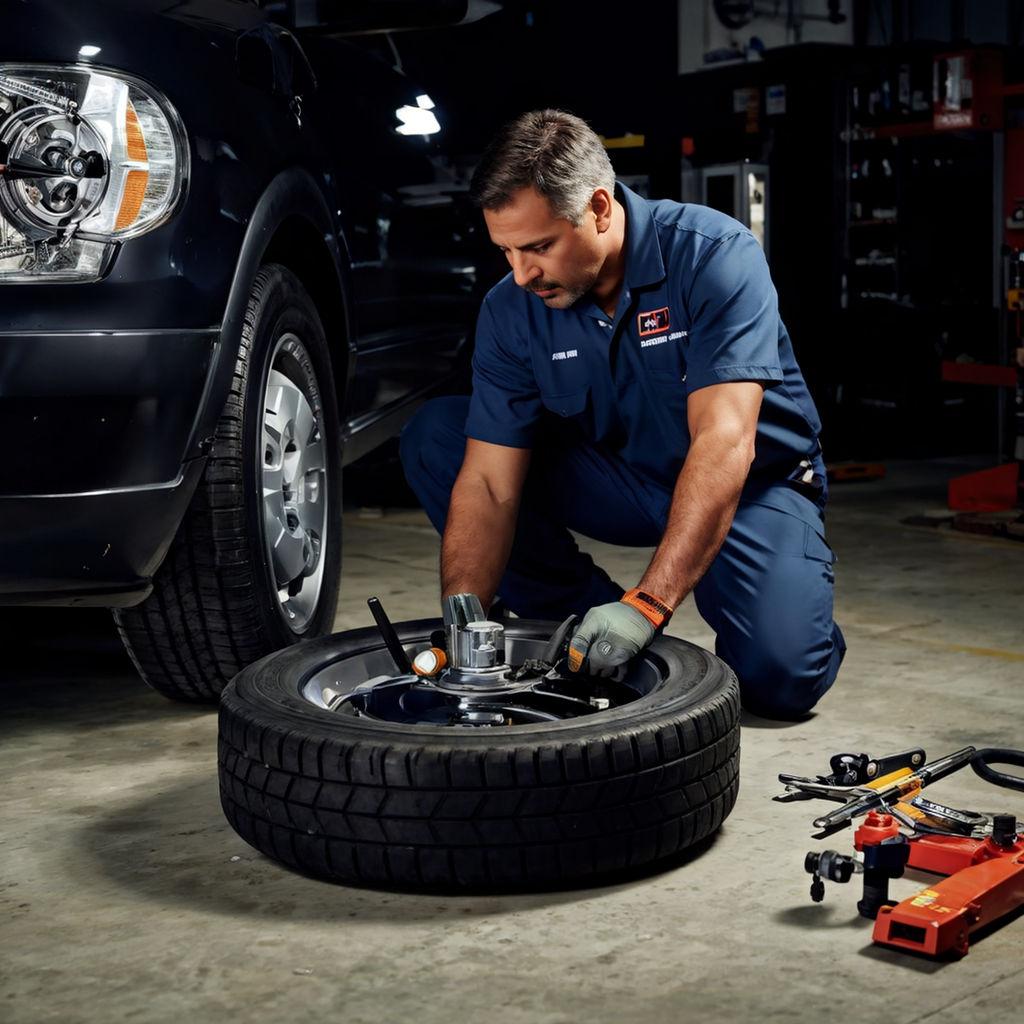
Start with the size the machine’s manufacturer specifies, which you will find in the owner’s manual and on the existing tyre’s sidewall. A speciality tyre even slightly the wrong size can overload its casing or foul the machine’s bodywork.
Next, check load capacity, because speciality tires usually work close to their limit. The load index and maximum load marked on the sidewall must cover the machine’s weight plus its heaviest load, with a margin to spare.
Always follow the vehicle owner’s manual and the tyre sidewall and manufacturer specifications for size, load and inflation pressure. Never exceed the maximum load or pressure figures moulded into the tyre.
Reading the Sidewall Before You Buy
The sidewall carries the size, the load index, a speed symbol where one applies, and the week and year the tyre was made. Write these down from the old tyre before ordering, and compare them line by line with the replacement.
Finally, match the tread pattern to the surface the machine works on. Deep, open lugs grip and shed mud and loose soil, while a continuous rib rolls more easily and steers more precisely on hard yards, concrete and runways.
Key Takeaways: Speciality Tires of America in Short
- Speciality Tires of America has built tyres in the USA since 1915 and specialises in bias ply construction.
- Its ranges serve agriculture, aircraft, industrial handling, light and heavy trucks, the military, mining and off-the-road work.
- Always match size and load capacity to the manufacturer’s specification before considering tread pattern.
- Tread design should follow the surface: deep lugs for soft ground, ribs for hard surfaces.
- Check pressures monthly, inspect for damage, and store spares cool, dry and out of sunlight.
- Replace any tyre with sidewall damage or tread worn down to its wear indicators.
Looking After Speciality Tires: Inflation, Inspection and Storage
Correct inflation matters even more on a bias ply tyre, because an under-inflated stiff casing flexes and builds up damaging heat. Check pressures at least monthly and before heavy work, always with a reliable gauge on cold tyres.
Our guide to when to check tyre pressure explains why cold readings are the only accurate ones. The NHTSA tyre safety pages give the same advice for road vehicles, including how under-inflation shortens tyre life.

Inspect tread and sidewalls regularly for cuts, cracks, bulges and objects embedded in the rubber. The U.S. Tire Manufacturers Association advises removing from service any tyre that is damaged or worn to its tread wear indicators.
Check the date code on the sidewall too, and retire ageing tyres even when the tread still looks deep. Rubber hardens with age, and grip and casing strength fall away long before the tyre looks worn out.
Valve caps and stems deserve a glance at every pressure check, because a leaking valve loses pressure as surely as a puncture does. Replace cracked or perished stems whenever tyres are changed.
Store spare speciality tires upright in a cool, dry and well-ventilated place, away from sunlight, solvents and electric motors, which give off rubber-damaging ozone. If tyres have to be stacked, turn them every few weeks so they do not develop flat spots.
Even Wear for Speciality Tires: Rotation and Balance
Where a machine runs identical wheels at every corner, rotating the tyres evens out wear and extends their service life. Follow the machine manufacturer’s rotation pattern and interval rather than a generic schedule.
Vibration through the machine usually means a wheel is out of balance or a tyre has been damaged. Our guide to tyre balance and alignment explains how the two problems differ and why both matter.

On light trucks that mix road and site work, uneven wear often starts with pressure rather than alignment. Weigh the truck in its working state, then set pressures from the manufacturer’s load table for that real load.
The same basic habits protect ordinary car and truck tyres too. For a full routine, read our guide to taking proper care of your tyres.
Conclusion: When Speciality Tires of America Is the Right Choice
Speciality Tires of America is not the brand for drivers shopping for quiet motorway tyres for a family car. It serves farmers, contractors, airfields and operators who need strong bias ply tyres built in the USA.
Choose the size and load rating your manufacturer specifies, keep the pressures right, and inspect and store the tyres with care. Do that, and speciality tires from STA will repay you with years of dependable working service.
That focus on working machines, rather than fashion, is exactly why the company has survived for more than a century. For the jobs its tyres are built for, few rivals offer the same range of American-made bias ply sizes.