

Disclosure: Tires Review Zone is reader-supported. As an Amazon Associate I earn from qualifying purchases, at no extra cost to you. Learn more.
The 2002 Chevy 2500HD is a work truck. It tows, hauls, and covers rough ground without much fuss.
Sooner or later, many owners want bigger tires on it. The common question is simple: how big can you go before the truck needs real changes?
For most of these trucks, the practical answer is LT285/75R16. That size is about 33 inches tall, and it is the largest size that usually works well on a stock truck.
The Short Answer
Stock size on the 16-inch wheels is LT245/75R16. The max size most owners run without a lift is LT285/75R16, at roughly 33 inches tall.
True 35-inch tires are a different story. They usually need a lift or level, wider wheels, and sometimes trimming before they clear safely.
Start With the Stock Size
The 2002 2500HD left the factory on LT245/75R16 tires for most trims. That is the size the steering, brakes, and gearing were built around.
Your door jamb sticker is the final word for your truck. It lists the factory size and the right cold pressure for it.
If you just need new tires, the stock size is the safest choice. Fit is certain, the speedometer stays right, and the truck drives the way GM planned.
How to Read the Size Code
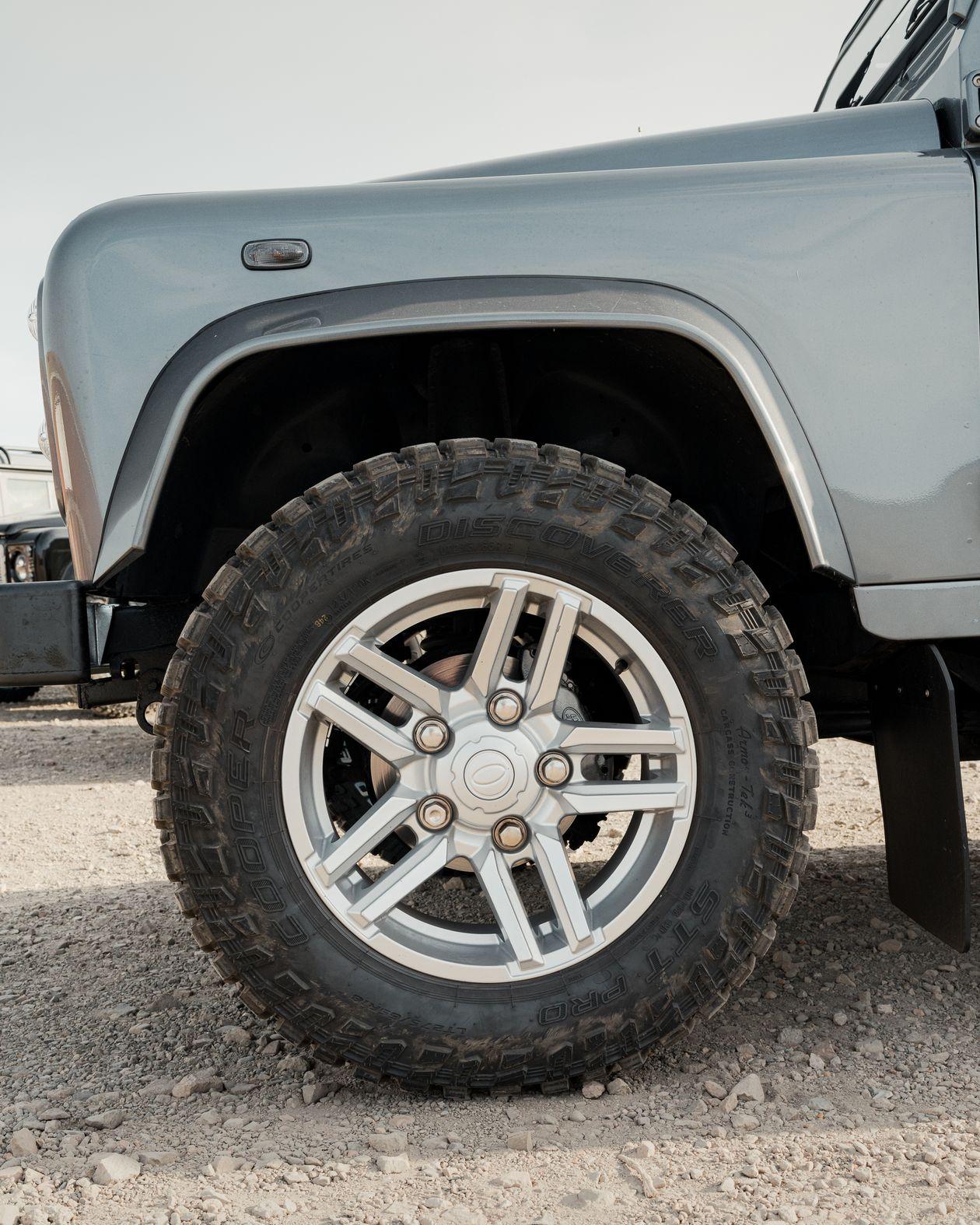
The code looks complex, but each part is simple. In LT245/75R16, LT means light truck construction, built for heavier loads than a passenger tire.
The 245 is the width in millimeters. The 75 is the sidewall height as a share of that width, and R16 means a radial tire on a 16-inch wheel.
Also check the load index and load range on the sidewall. They tell you how much weight each tire can carry safely.
A Mild Step Up: LT265/75R16
Not everyone wants the max. LT265/75R16 is a popular middle step for this truck.
It is about 31.6 inches tall and a little wider than stock. Most owners find it clears easily on stock wheels and keeps road manners close to factory.
You still gain a slightly fuller look and a bit more rubber on the road. And because the change is small, the speedometer error stays minor.
The Max Size on a Stock Truck
On stock suspension and stock wheels, LT285/75R16 is the usual ceiling. It stands about 33 inches tall and is wider than stock, so the truck gains a little ground clearance and a fuller look.
Why stop there? Room runs out at the front first. A taller or wider tire can touch the fender liner or bumper edge when you turn.
Will 33-Inch Tires Fit?
For most owners, yes. LT285/75R16 is the common 33-inch choice for this truck, and it fits stock height in normal driving.
Brands do vary a little, though. An aggressive mud tread can measure wider than a highway tread in the same marked size, so check clearance at full lock after fitting.
Where Bigger Tires Rub
A tire can clear while you drive straight and still rub in a turn. Watch these spots:
- The inner fender liner
- The front bumper edge and valance
- The sway bar at full steering lock
- The frame or control arm on tight turns
Turn the wheel lock to lock in a parking lot and look closely. Rub marks show up fast if the size is too much.
What About 35-Inch Tires?
Owners often ask if 35s fit a stock 2500HD. The honest answer is that they are too tight for regular use without changes.
Expect to add height first. A leveling kit or a small lift opens up the front wheel wells — the same idea behind leveling a newer 2500HD for bigger tires.
Wheel width matters too. Many 35-inch tires are wide, and a stock 16-inch wheel can be too narrow for them, which hurts wear and handling.
Some trimming of the liner or valance may still be needed. Plan for the full job, not just the tires.
245 vs 265: Does Width Matter?
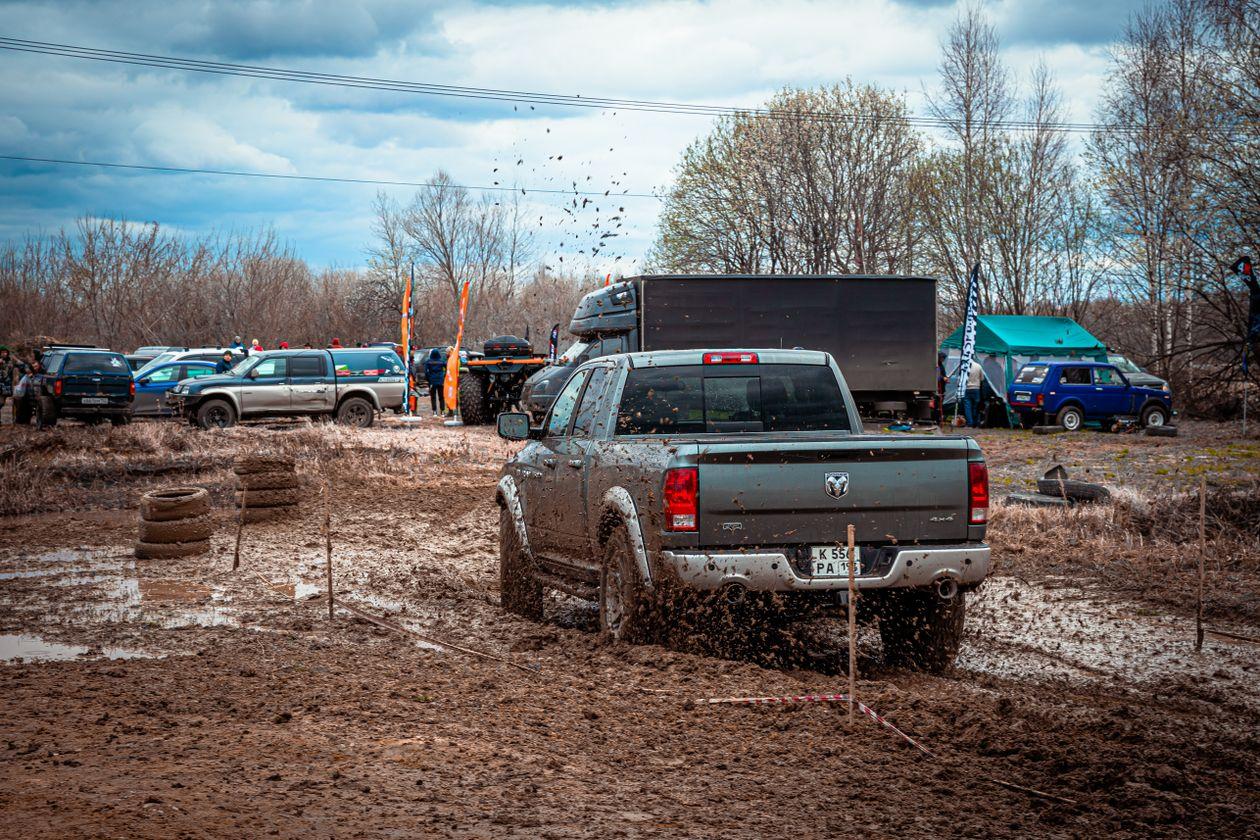
The first number is width in millimeters, so a 265 tire is 20 mm wider than a 245. That extra width puts more rubber on the road.
A wider tire can feel more stable with a load. A narrower tire can cut through snow or mud to firmer ground below, and it is often a bit easier on fuel.
Either width can work on this truck. What matters most is that the load rating stays high enough for your heaviest work.
Load Rating Comes First on a Work Truck
A 2500HD earns its keep under load. Never trade load capacity for looks.
Most of these trucks need Load Range E tires. Check that any new size carries at least the rating your door sticker calls for.
Pressure matters just as much. The Toyo load and inflation tables show how much load a tire carries at each pressure, which helps when you change sizes.
One more point: the number on the sidewall is the maximum pressure, not your target. Set pressure for the load you carry, and check it cold, before you drive.
What Changes After You Upsize
A taller tire covers more ground with each turn. Your speedometer then reads low, so your real speed is higher than the dial shows.
That is why many owners fix the reading after a size change. Our guide to calibrating the speedometer for larger tires walks through the options.
Gearing feels taller too. The truck may feel slower off the line and downshift more on hills, and drivers who tow often look at gear ratio choices for 33-inch tires to get the pull back.
Expect small changes in feel as well. Heavier tires can dull steering response a little and may use a bit more fuel, especially with an aggressive tread.
How to Change a Tire Safely
Bigger tires are heavy, so take your time. Work on firm, level ground, away from traffic.
- Set the parking brake and block the wheel opposite the flat.
- Loosen the lug nuts a little before you lift the truck.
- Jack at the points your owner’s manual shows, then lift just enough to clear the ground.
- Swap the wheel, start the nuts by hand, and snug them in a star pattern.
- Lower the truck and finish tightening. Check the nuts again after a short drive.
The NHTSA tire safety pages cover the checks that keep any tire setup safe, new or old.
How to Choose the Right Size
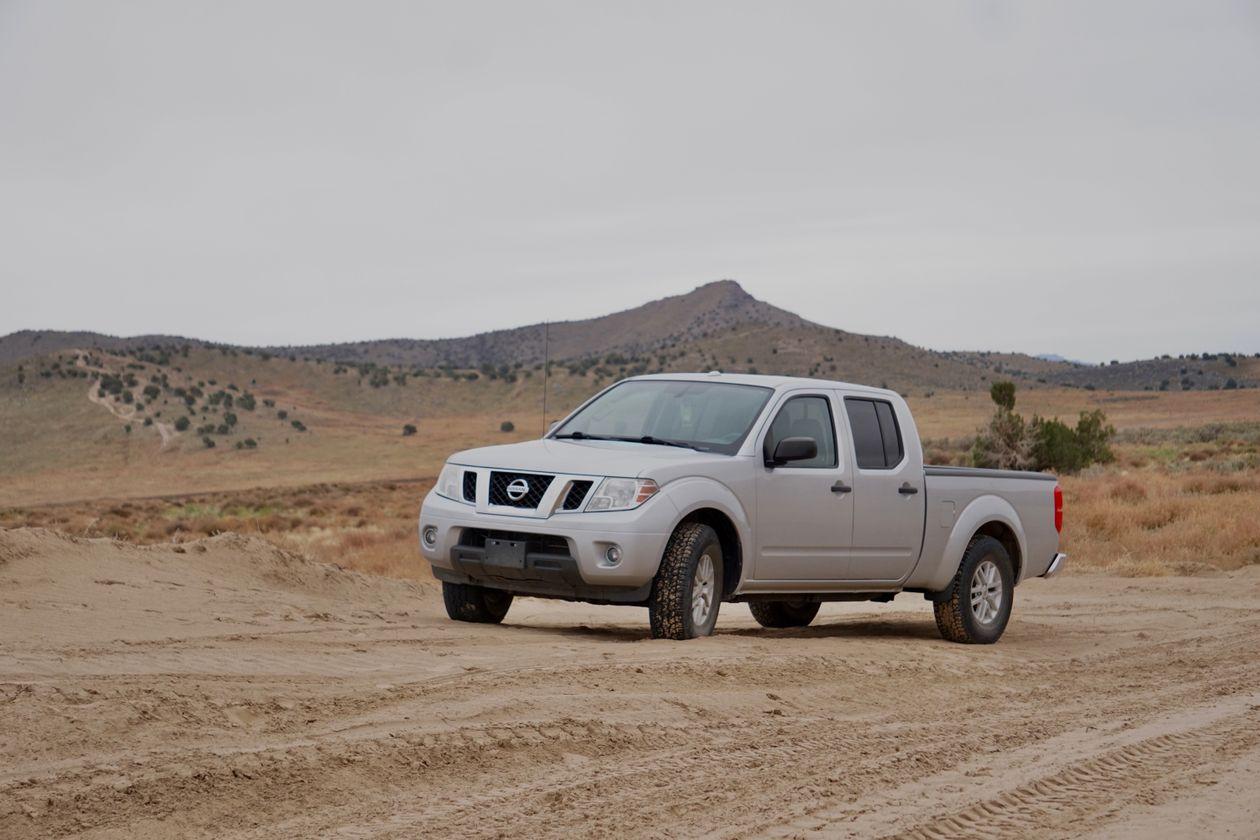
Start with how you really use the truck. A daily work truck and a weekend trail truck need different things.
- Weight: heavy towing or hauling calls for stock size or a rated 33, not a soft oversize tire.
- Terrain: rough or muddy ground rewards taller, grippier tires; highway miles reward stock manners.
- Budget: bigger sizes cost more and can add lift, wheel, and alignment costs.
Also match the tire type to your roads. A highway tread wears slowly and rides quietly, while an all-terrain gives up a little of both for grip off the pavement.
The USTMA tire care and safety guide is a good reference for pressure checks and wear checks once your new size is on.
Conclusion
For a 2002 Chevy 2500HD, LT285/75R16 is the sweet spot: about 33 inches tall and workable on a stock truck. Keep the load rating right, watch the front clearance, and fix the speedometer if you go up.
Want 35s? They can work, but only with lift, wheel, and trimming work done properly first.
Frequently Asked Questions
Can I Fit 33-Inch or 35-Inch Tires Without Modifications?
Thirty-three-inch tires, yes, in most cases — LT285/75R16 is the common fit. Thirty-five-inch tires need lift or leveling, suitable wheels, and often trimming.
How Tall Is a 285/75R16 in Inches?
About 32.8 inches tall and roughly 11.2 inches wide. That is why owners call it a 33-inch tire, even though it measures just under.
Can I Use 245 Tires Instead of 265?
Yes, if the load rating matches what your truck needs. The 245 is narrower, which can help in snow and may use a little less fuel, but it gives up some width and stability under load.
How Can I Tell If My Truck Was Lowered?
Compare the gap between the tire and the fender with a stock truck. A lowered truck sits closer to the tire, and the front often looks level with or lower than the rear.
You may also spot shorter springs or drop parts under the truck. Ride height matters here, because a lowered truck has less room for bigger tires.
Do I Need to Recalibrate the Speedometer?
If you change overall diameter, yes, it is wise. Otherwise the speedometer and odometer read low, and shift points can feel off.