

Disclosure: Tires Review Zone is reader-supported. As an Amazon Associate I earn from qualifying purchases, at no extra cost to you. Learn more.
From the factory, a 2017 Chevy Silverado 2500HD sits nose-down. The rear rides higher than the front. That rake is there on purpose, but many owners do not like the look.
A leveling kit fixes the stance. It raises the front by about 1.5 to 2 inches, so the truck sits level. The bonus is room: that extra height makes space for larger tires.
This guide covers what fits. You will learn the stock sizes, the safe sizes with a level, and when 35-inch tires can work. You will also see what else changes when the tires grow.
Key Highlights
- A leveling kit raises the front of this truck by about 1.5 to 2 inches.
- The 2017 2500HD uses a torsion-bar front suspension, so kits work through the torsion bars.
- With a level, 33-inch tires are the safe, everyday choice.
- Some 35-inch setups can fit, but width and wheel offset decide the result.
- Keep the load rating at least equal to the stock tires on a heavy-duty truck.
- An alignment is a must after the kit goes on.
Why the 2500HD Sits Nose-Down
Heavy-duty trucks leave the factory with a rake. The rear sits high so the truck stays level when the bed is loaded or a trailer pushes down on the hitch. Empty, though, the nose-down look is hard to miss.
A leveling kit removes most of that rake. On this truck, the front suspension uses torsion bars. Most kits replace the torsion keys or adjust them to lift the front.
The lift is small, but it matters. It adds clearance above the front tires and at full steering lock. That is what opens the door to bigger rubber.
Stock Tire Sizes on the 2017 2500HD
Before you size up, know where you started. Common factory sizes on this truck include LT245/75R17 and LT265/70R17 on 17-inch wheels. Some trims came with 20-inch wheels and tires around the LT275/55R20 size.
Your truck may differ. The tire placard on the driver’s door jamb lists the exact stock size and pressure for your build. Trust that label over any chart, including this one.
The stock tires stand about 31 to 32 inches tall. For a wider look at Silverado fitment across years, see our guide on what size tires you can put on a Silverado.
The Short Answer: What Fits With a Level
With a 1.5- to 2-inch level, 33-inch tires are the sweet spot. They fill the wheel wells, add a little ground clearance, and clear without drama on sensible wheels. Two common examples are the LT285/70R17, at about 32.7 inches tall, and the LT275/60R20, at about 33 inches.
Choosing between sizes like these often comes down to width. Our comparison of a 285 and a 275 tire explains how that one step in width changes fit and feel.
A step further sits near 34 inches, like an LT295/60R20. Many owners run this size on a leveled HD truck. It is less of a sure thing, so check clearance at full lock before you commit.
Can You Fit 35-Inch Tires?
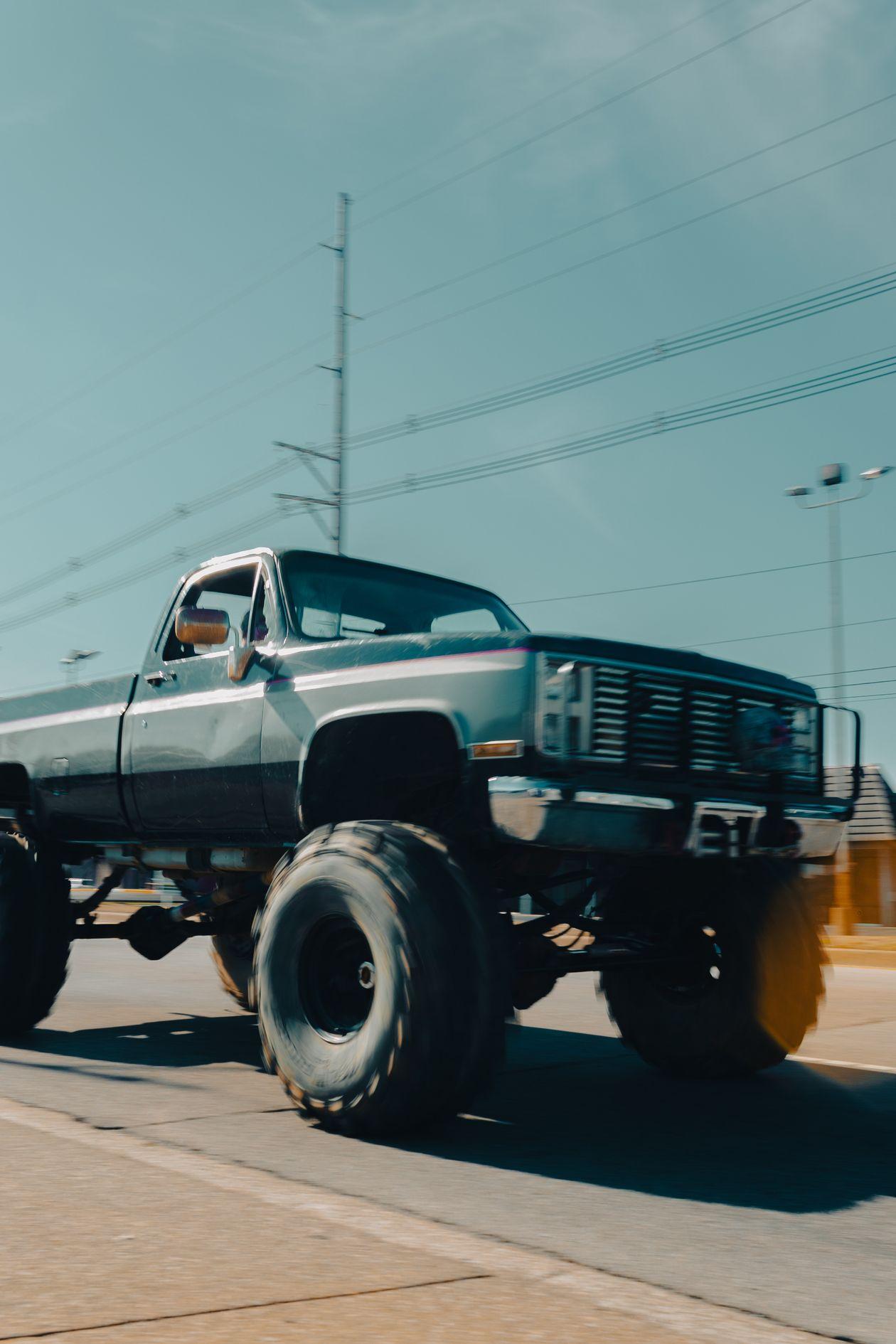
Sometimes, yes. A 35-inch tire can fit a leveled 2017 2500HD, but there is no blanket promise. Diameter is only half the story.
Width and offset finish it. A wide 35, like a 35×12.50, on a wheel that pushes the tire outward will likely rub the fender liner or bumper at full lock. A narrower 35 on a near-stock offset has the best chance of clearing.
Some owners accept minor trimming of plastic liner for the look. Others will not cut anything. Decide which camp you are in before you buy, because returns on mounted tires are rare.
What Really Decides Fitment
Wheel Offset and Width
Offset is where the wheel mounts compared to its center line. More negative offset pushes the tire out. That stance looks tough, but it swings the tire in a wider arc when you steer.
That wider arc is what finds the liner and the bumper corner. Stock-style wheels, or mild offsets, are the friendly choice for bigger tires. Very wide wheels make rubbing more likely, not less.
Clearance Checks and Trimming
Test fit before you drive away. Turn the wheel to full lock on both sides and look for contact. Check again with the suspension compressed, since a tire that clears parked may rub over a dip.
If contact is light and only on plastic, minor trimming is a common fix. Metal is a different story. A setup that needs metal cut is usually the wrong setup for a daily-driven truck.
How Bigger Tires Change the Truck
Taller, heavier tires change how the truck works. Steering can feel a touch slower. Braking distances can grow a little, because the brakes turn a larger, heavier package.
Effective gearing gets taller too. The engine turns fewer revs at a given speed, which can dull towing response. If you tow often, our guide to the best gear ratio for 33-inch tires on a Silverado shows how owners balance that trade.
The speedometer also reads low with taller tires. Your true speed is higher than the gauge shows. Many owners fix this with a recalibration tool or a tuner, and NHTSA’s tire safety guidance is a good reminder of why accurate, well-kept tires matter.
Pressure, Load Rating, and Care
Bigger tires do not remove the rules. On a 2500HD, the new tires must carry at least the load the stock tires carried. Most owners stay with Load Range E tires for that reason.
Set pressure by load, not by habit. The Toyo Tires load and inflation tables show how to match pressure to the load for a replacement size. The sidewall maximum is a limit, not a daily setting.
Then keep up the basics. The U.S. Tire Manufacturers Association recommends monthly pressure checks and regular rotations. Bigger tires cost more, so the simple habits pay off faster.
Leveling Kit or Full Lift Kit?
A leveling kit and a lift kit solve different problems. The leveling kit only raises the front to match the rear. A lift kit raises the whole truck and makes room for much larger tires.
For 33-inch tires, you do not need a full lift on this truck. The level alone gives the clearance. A lift kit makes more sense when the goal is 35s or larger with no trimming at all.
Lifts cost more and change more. They add parts and labor, and often new shocks all around. A higher truck also needs more care, and it can be harder to load and park. For most owners, the level is the smart first step.
After the Install: Alignment and Shocks
Book an alignment right after the leveling kit goes on. Raising the front with torsion keys changes the geometry. Skip the alignment and the new tires will wear on the edges.
Ask about shocks as well. At full droop, stock front shocks can run out of travel after a level. Many kits include extensions, and longer shocks are a common upgrade.
Check the headlight aim too. Raising the front points the beams higher than before. A quick adjustment keeps you from blinding other drivers at night.
Finally, re-check lug torque after the first short drive, and again at the first rotation. It is a five-minute check that protects the whole job.
Conclusion
A leveling kit gives the 2017 2500HD the stance it should have had. With about 2 inches of front lift, 33-inch tires are the safe and simple answer. They fit, they work, and they ask little in return.
Thirty-fives can work too, with the right width and offset and maybe minor trimming. Whichever way you go, keep the load rating up, set pressure by load, and get the alignment done. The truck will thank you for years.
Frequently Asked Questions
Do I need to trim anything to fit larger tires on a leveled 2500HD?
For 33-inch tires on sensible wheels, usually not. For 34- or 35-inch setups, minor trimming of the plastic fender liner is common. It depends on tire width, wheel width, and offset more than on height alone.
Will 35-inch tires fit safely with just a leveling kit?
They can, in the right combination. A narrower 35 on a near-stock offset has the best chance. A wide 35 on an aggressive offset will likely rub and need trimming, so test fit and check at full lock first.
Does a leveling kit affect alignment, shocks, and the speedometer?
Yes to alignment: raising the front changes geometry, so an alignment is required. Shocks may need extensions or replacement for full travel. The speedometer change comes from the taller tires, not the kit, and it can be corrected with recalibration.
Do bigger tires hurt fuel economy and towing?
A little, in most cases. Taller, heavier tires take more energy to turn, and they lift the truck further into the wind. Expect a small drop in fuel economy and a calmer feel when towing. Staying near 33 inches keeps the change modest, which is one more reason it is the popular choice.