

Disclosure: Tires Review Zone is reader-supported. As an Amazon Associate I earn from qualifying purchases, at no extra cost to you. Learn more.
Picking between a 285 and a 275 tire looks like a small call. The two sizes differ by only 10 millimeters in width.
But that small step changes more than width. It can affect fitment, grip, ride comfort, fuel use, and even your speedometer.
This guide explains the difference between a 285 and 275 tire in plain terms. You will see how width and height change, what that means on the road and the trail, and how to pick the right size for your vehicle.
Key Highlights
- The numbers 285 and 275 are section widths in millimeters. A 285 is 10 mm, about 0.4 inch, wider than a 275.
- With the same aspect ratio and rim, the 285 is also a little taller. A 285/70R17 is about 32.7 inches in diameter, versus 32.2 inches for a 275/70R17.
- The wider tire has a larger contact patch, which can help grip on loose surfaces.
- Extra width and height can cause rubbing, so check clearance before you buy.
- A 275 usually keeps steering feel, fuel use, and noise closer to stock.
What the Numbers Mean
Take a size like 285/70R17. The first number, 285, is the section width in millimeters. It is the width of the tire at its widest point.
The second number, 70, is the aspect ratio. It means the sidewall height is 70% of the section width. The R stands for radial construction, and the last number, 17, is the wheel diameter in inches.
Because the sidewall is a percentage of width, a wider tire with the same ratio gets a taller sidewall too. Going wider while keeping the same wheel is a form of plus sizing, and it changes more than width alone.
Width: The Main Difference
The direct difference between a 285 and a 275 tire is width. A 285 measures 285 mm across. A 275 measures 275 mm.
That is a gap of 10 mm, roughly 0.4 inch, or about 3.6%. Actual tread width varies a little between brands and models, but the order stays the same.
One caution on the numbers: section width is measured on a specific rim width. Fit the same tire on a wider or narrower wheel and the mounted width shifts a little.
More width means more rubber can meet the road at once. That larger contact patch is the main reason drivers step up to a 285.
Height: The Hidden Difference
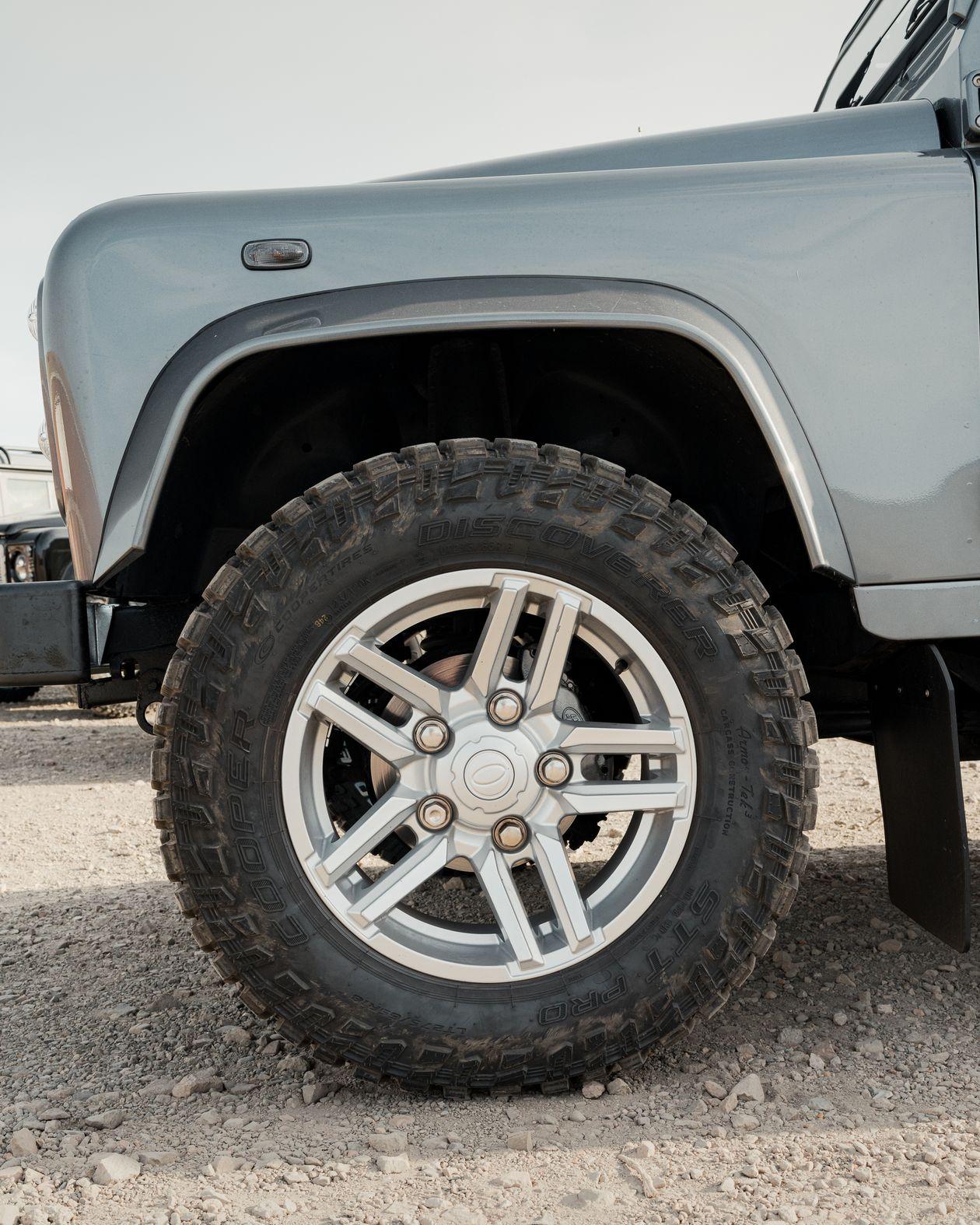
Width gets the attention, but height changes too. Keep the aspect ratio and rim the same, and the wider tire ends up taller.
Here is the math for a common truck size. A 275/70R17 has a sidewall of about 7.6 inches and an overall diameter of about 32.2 inches. A 285/70R17 works out to about 32.7 inches.
| Tire Size | Approx. Width | Approx. Diameter |
|---|---|---|
| 275/70R17 | 10.8 inches | 32.2 inches |
| 285/70R17 | 11.2 inches | 32.7 inches |
The difference is about half an inch of diameter. That is small, but it is enough to matter for clearance. It also adds roughly a quarter inch of ground clearance under the axle.
It changes gearing and the speedometer a little too. Going from 32.2 to 32.7 inches is about a 1.5% increase, so at an indicated 60 mph your real speed is slightly higher. The same math drives gearing choices, as our guide to the best gear ratio for 33-inch tires shows.
Grip, Handling, and Stability
A wider tire spreads the vehicle’s weight over a larger patch of rubber. On loose surfaces like sand and gravel, that can mean better grip.
On pavement, the 285 can feel more planted in corners and at highway speed. The wider footprint adds a sense of stability in long curves and lane changes.
The 275 has its own strengths. Steering often feels lighter and a bit quicker in daily traffic. Parking and tight turns can feel easier too.
Wet and winter roads add a twist. A narrower tire can cut through slush and standing water to find grip underneath, where a wide tire may ride up on top.
Neither size wins everywhere. Tread design and rubber compound matter as much as width for grip.
Fitment: Will a 285 Fit Where a 275 Did?
This is the question that matters most. The answer depends on your vehicle, your wheels, and how much room you have.
Wheels
Both sizes fit the same rim diameter. Their approved rim width ranges overlap, so in many cases a 285 mounts on the same wheels as a 275.
Check the tire maker’s approved range for the exact tire before you assume. A wheel that is too narrow or too wide changes how the tire sits and wears. Our guide to what size tires you can put on a Silverado walks through a common truck example.
Clearance and Rubbing
Mounting the tire is only half the job. The tire also has to clear the fenders, liners, and suspension parts through the full range of steering and suspension travel.
Rubbing usually shows up first at full lock or over bumps. If clearance is tight, a small lift or a different wheel offset may be needed.
Do not forget the spare. After a size change, an old spare no longer matches the road tires in diameter. Keep diameters close if you rely on the spare for more than a short limp home.
Before any size change, it is also worth reading the tire safety guidance from NHTSA. Safe fitment is about more than whether the tire bolts on.
Fuel Use, Noise, and Comfort
A wider, taller tire usually weighs more and rolls with more resistance. The engine works a little harder, so fuel use can rise slightly.
Your fuel readings may shift for another reason too. The odometer is driven by tire revolutions, so a taller tire makes the truck record slightly fewer miles than it truly travels.
Noise can rise as well. More tread on the road can mean more sound in the cabin, especially with aggressive all-terrain or mud-terrain tread.
Comfort differences are small. A taller sidewall can soften sharp bumps slightly. In practice, tire model and pressure matter more than the 10 mm step.
Off-Road vs Daily Driving
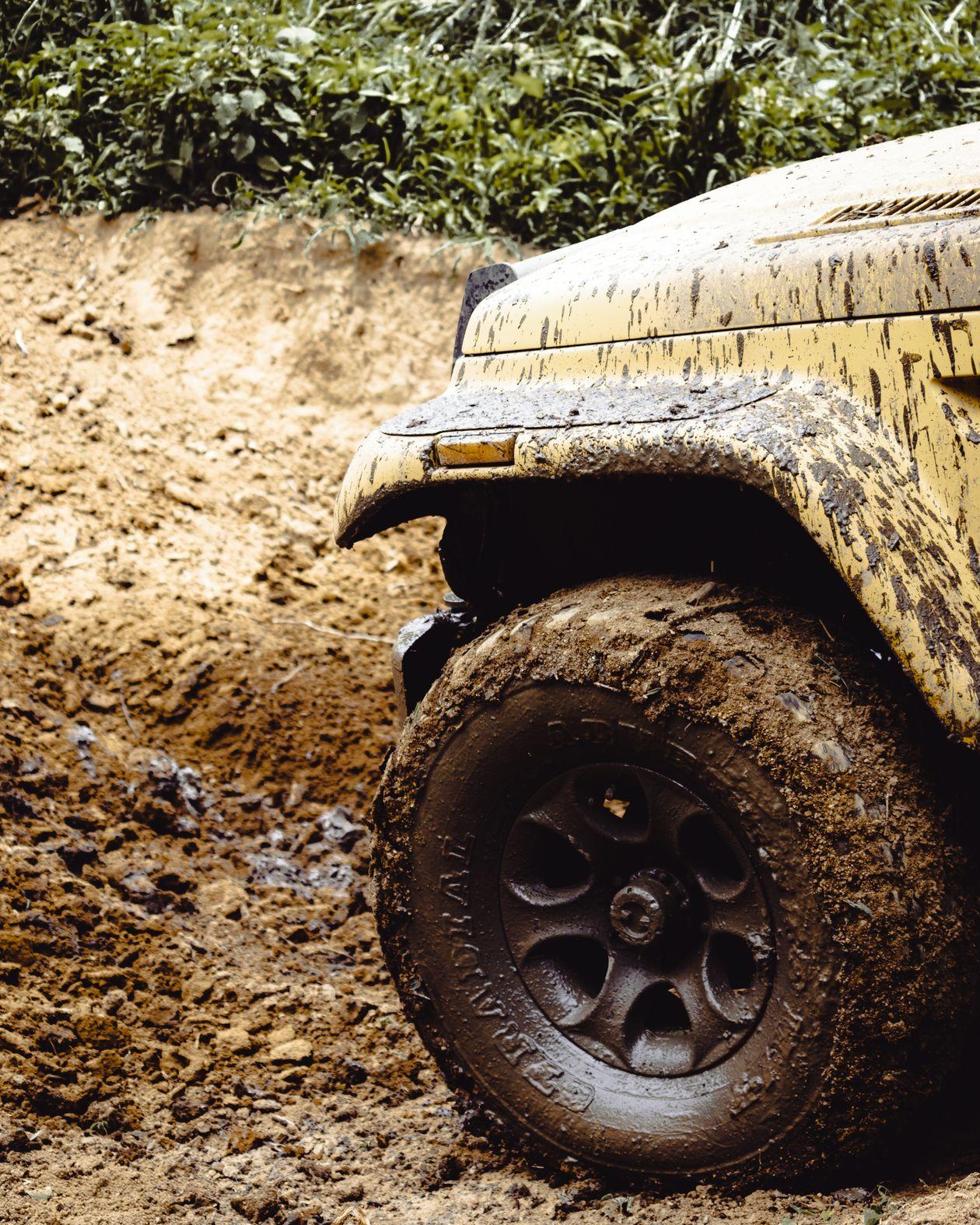
Off-road, the 285 has the edge. Its wider footprint helps on sand, mud, and loose climbs. Aired down, the larger patch spreads the load even more.
For daily driving, the 275 is often the smarter pick. It keeps steering light, fuel use lower, and fitment simple.
Neither size is better in general. The right choice depends on where you drive and how much room your vehicle has.
Load Capacity and Tire Pressure
Width alone does not set how much weight a tire can carry. Load capacity comes from the tire’s load index and its construction.
Check that any tire you choose meets or beats the load index your vehicle needs. That matters more than the width number.
After any size change, set pressure by load, not by habit. Our guide on how to calculate tire pressure for bigger tires explains the placard and load-table method step by step.
How to Choose Between a 285 and a 275
- Choose a 275 if your vehicle is a daily driver and you want simple fitment, lighter steering, and stock-like manners.
- Choose a 285 if you have the clearance and want more grip on trails, sand, or other loose surfaces.
- Either way, confirm the load index meets your vehicle’s needs, and check clearance at full lock before you buy.
The U.S. Tire Manufacturers Association offers clear guidance on choosing and caring for tires if you want to read further.
Conclusion
The difference between a 285 and a 275 tire comes down to about 0.4 inch of width and, with the same aspect ratio, about half an inch of height. Small numbers, real effects.
If the 285 fits your vehicle without rubbing and matches how you drive, it is a sensible upgrade. If not, the 275 keeps things simple and close to stock.
Frequently Asked Questions
Can I replace 275 tires with 285 tires on the same wheels?
Often, yes. The rim diameter is the same, and the approved rim widths overlap. But you still need to check clearance at full lock and over bumps before you commit.
Will switching from 275 to 285 change my speedometer?
Yes, slightly. A 285/70R17 is about 1.5% larger in diameter than a 275/70R17, so your real speed will be a little higher than the speedometer shows.
Are 285 tires better than 275 tires off-road?
On loose surfaces, usually yes. The wider footprint can improve grip on sand and mud. On the road, the 275 is often quieter and easier to live with day to day.