

Disclosure: Tires Review Zone is reader-supported. As an Amazon Associate I earn from qualifying purchases, at no extra cost to you. Learn more.
Picking a tire size for 22-inch wheels on a lowered C1500 is not just about looks. You want the truck to sit right, drive well, and keep real clearance. A tire that is too tall or too wide starts rubbing fast.
A tire that is too short causes different problems. It changes how the truck feels on the road, and it leaves very little rubber between the wheel and a pothole.
For most lowered C1500 trucks, the answer starts with one size: 265/35R22. It stays close to the stock tire diameter, which keeps the speedometer and gearing near stock. This guide explains why, and when the other common sizes make sense.
Key Highlights
- For many lowered C1500 trucks, 265/35R22 is the go-to size because it stays close to stock diameter.
- Keeping diameter near stock helps ride quality, speedometer accuracy, and gearing feel stay normal.
- Fitment on 22-inch wheels depends on drop amount, wheel width, offset, and brake clearance.
- A typical 4/6 drop can work, but check clearance at full steering lock and through suspension travel.
- Shorter sidewalls look sharper, while taller sidewalls usually ride better.
- Some trucks need small modifications, especially with wider or taller fitments.
Key Factors for Selecting 22-Inch Tires on a Lowered C1500
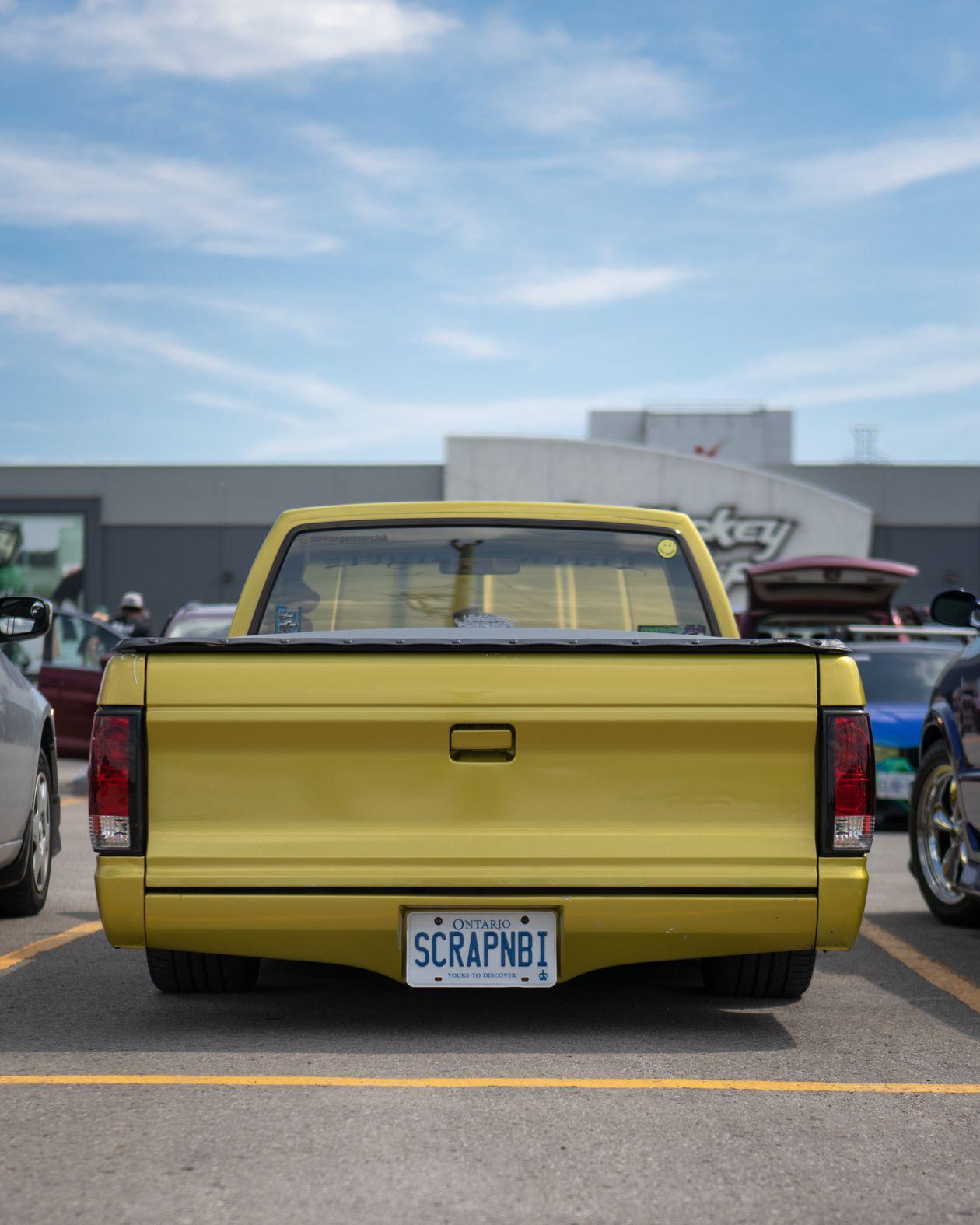
Start with the basics. A 1988-1998 Chevy C1500 2WD uses a 5×5 bolt pattern, so your wheels must match it before anything else matters.
Then think about brake clearance, wheel width, and offset. These decide where the tire sits in the wheel well, and how close it runs to the fender and suspension parts.
Why Overall Diameter Matters Most
The smartest rule for a lowered C1500 is simple: keep the overall diameter close to the stock tire’s diameter. As Toyo Tires explains in its plus-sizing guide: bigger wheel, shorter sidewall, similar overall diameter.
That is why 265/35R22 is such a popular setup on 22s. It measures about 29.3 inches tall, close to what the truck came with.
Bigger wheels alone do not ruin a truck. Total diameter is the bigger issue. If the tire grows much taller, clearance shrinks and the speedometer reads low; our guide on how to calibrate the speedometer for larger tires on a Chevy shows how to correct the reading.
Diameter also changes effective gearing. A taller tire makes the truck feel slightly lazier off the line, and a shorter one does the opposite. Staying within about an inch of stock keeps those changes small enough that most drivers never notice them.
Tire Width, Sidewall Height, and Their Effects on Fitment
Width and sidewall both change fitment on a lowered truck. A wider tire adds a stronger look, but it also needs more room at full lock.
Here is the tradeoff in simple terms:
- A 265 width is a balanced choice for many 22-inch setups. It looks full without getting too wide.
- A 35-series sidewall usually keeps a good mix of clearance and ride quality.
- A 40-series sidewall adds cushion, but the taller diameter needs extra attention.
That is why 265/35R22 gets recommended so often for lowered C1500 trucks. It lands in a useful middle ground for street-driven trucks.
Most Popular 22-Inch Tire Sizes for Lowered C1500 Trucks
A few 22-inch sizes come up again and again for these trucks. They balance looks, drivability, and clearance in different ways.
Some stay near stock diameter. Others trade sidewall for a lower-profile look, or add height for comfort.
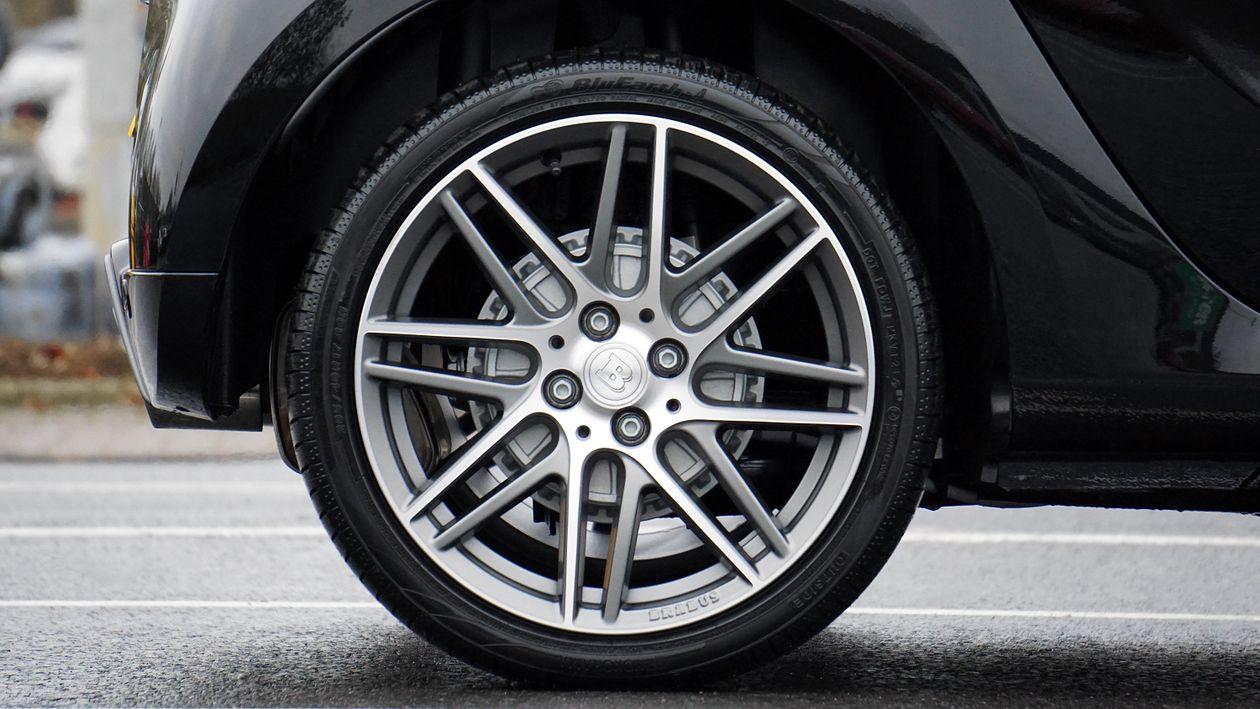
Comparing 265/35R22, 285/35R22, 265/40R22, and 245/30R22
These four sizes cover most lowered C1500 builds on 22s. The main differences are diameter, width, and how much clearance each one leaves. Width alone changes fitment fast, as our breakdown of the difference between a 285 and 275 tire shows.
| Tire size | Approx. diameter | What it does |
|---|---|---|
| 265/35R22 | 29.3 inches | Close to stock, balanced fit and ride |
| 285/35R22 | 29.9 inches | Wider, fuller, more clearance-sensitive |
| 265/40R22 | 30.3 inches | More sidewall, softer feel, taller package |
| 245/30R22 | 27.8 inches | Very low profile, shortest overall height |
In practice, 265/35R22 is the safest middle-ground setup. The 285/35R22 can work if wheel width and offset leave room. The 265/40R22 rides softer but sits tallest, and the 245/30R22 is the easiest to clear but the harshest on rough roads.
Pros and Cons of Each Size
Each option changes the truck’s look and road feel. Start from what you value most: clearance, comfort, or stance.
- 265/35R22: strong balance of ride quality, handling, and clearance.
- 285/35R22: more aggressive stance, but more likely to push fitment close to the limit.
- 265/40R22: best for extra sidewall and comfort, though the taller height can tighten clearance.
- 245/30R22: sharp appearance, but a harsher ride because of the short sidewall.
If you want comfort, a little more sidewall helps. If you want a tight, tucked look, the shorter sizes deliver it, at a price in ride quality.
Running a Staggered Setup
Some C1500 owners run wider tires at the rear than at the front. The wider rear fills the rear wheel opening and gives the truck a muscle-truck stance.
It can work well, but it adds homework. The front still needs a clearance-friendly size, and the rear needs room at the fender lip when the truck squats under load. You also give up rotating tires front to back.
If you go staggered, keep the front and rear diameters close to each other. A big diameter difference looks odd and changes how the truck sits.
How to Check Clearance Before You Buy
Never guess at fitment on a lowered truck. A few simple checks can save you from buying tires that rub.
- Turn the steering wheel to full lock, both ways. Look for space between the tire and the fender lip and inner fender.
- Check the gap at the top of the tire. The suspension needs room to travel over bumps without the tire touching.
- Measure on both sides. Trucks are not always perfectly even, and one side may sit slightly lower.
- Recheck after any change. A wider tire or a different offset moves the tire closer to something.
If you can, test-fit one front wheel and tire before buying the full set. One mounted corner tells you more than any chart, because it shows your truck’s real ride height and alignment.
Also confirm brake clearance before final mounting. If any gap is already tight with your current setup, a taller or wider 22-inch size will make it tighter.
Load Rating and Tire Pressure Still Matter
A show-truck look does not excuse the basics. The tires you choose need a load rating that meets or exceeds what the truck requires.
Low-profile 22s carry their load with less sidewall flex, so pressure matters even more. Running too low risks wheel damage on potholes. Running too high shrinks the contact patch and hurts grip.
Set pressure from the truck’s door-jamb placard as your starting point, not a guess. Our guide on how to calculate tire pressure for bigger tires walks through the load-based method. The NHTSA tire safety pages also explain why correct pressure matters for safety and tire life.
Conclusion
Choosing the right 22-inch tire for a lowered C1500 comes down to diameter first. Keep the overall diameter near stock, and most fitment problems never appear.
From there, let your priorities decide: more sidewall for comfort, or a wider size for stance. Either way, check clearance before you buy, and keep up with basic care using the U.S. Tire Manufacturers Association resources. The right size gives you the look you want without the rubbing you do not.
Frequently Asked Questions
Will 22-Inch Tires Rub With a Typical 4/6 Drop on a C1500?
They can, but not always. A typical 4/6 drop can work with 22-inch wheels when tire size, offset, and clearance are right. Check at full lock and through suspension travel before you call it done.
What Wheel Offset Is Best to Prevent Clearance Issues on a Lowered C1500?
There is no single offset that fits every setup. The right choice depends on wheel width, tire size, and your drop. Measure your truck, and pick the offset that centers the tire in the space you have.
Do I Need Modifications to Fit 22-Inch Tires on My Lowered Truck?
Maybe. Many lowered C1500 trucks run 22-inch wheels with the right fitment and no major cutting. Wider or taller setups may need small changes, such as minor fender work, to clear safely.
What Load Rating and Tire Pressure Should I Use With 22-Inch Wheels?
Choose tires with a load rating that meets or exceeds the truck’s requirements, shown on the door-jamb placard and the original tire’s sidewall. Start pressure at the placard value, then adjust for load using the load-based method, not the maximum pressure printed on the sidewall.