

Disclosure: Tires Review Zone is reader-supported. As an Amazon Associate I earn from qualifying purchases, at no extra cost to you. Learn more.
Choosing tires for a Chevy Silverado 2500HD is not just about size. The load range matters just as much, because these trucks are built to tow and haul.
The short answer is Load Range E. Most 2500HD trucks leave the factory on Load Range E LT tires, and that is the spec to match.
This guide explains what the load range letters mean, how C, D, E, and F compare, and how to confirm the right tire for your truck.
Key Highlights
- Most Chevy 2500HD trucks come from the factory on Load Range E LT tires.
- Load Range E is the usual answer for a 2500.
- The door-jamb placard and the owner’s manual are the final authority for tire size and pressure.
- Never fit a lower load range than the placard calls for.
- A 2500HD needs LT tires, not passenger or SUV tires.
- Load index, tire size, and pressure all affect real carrying capacity.
What Load Range Means
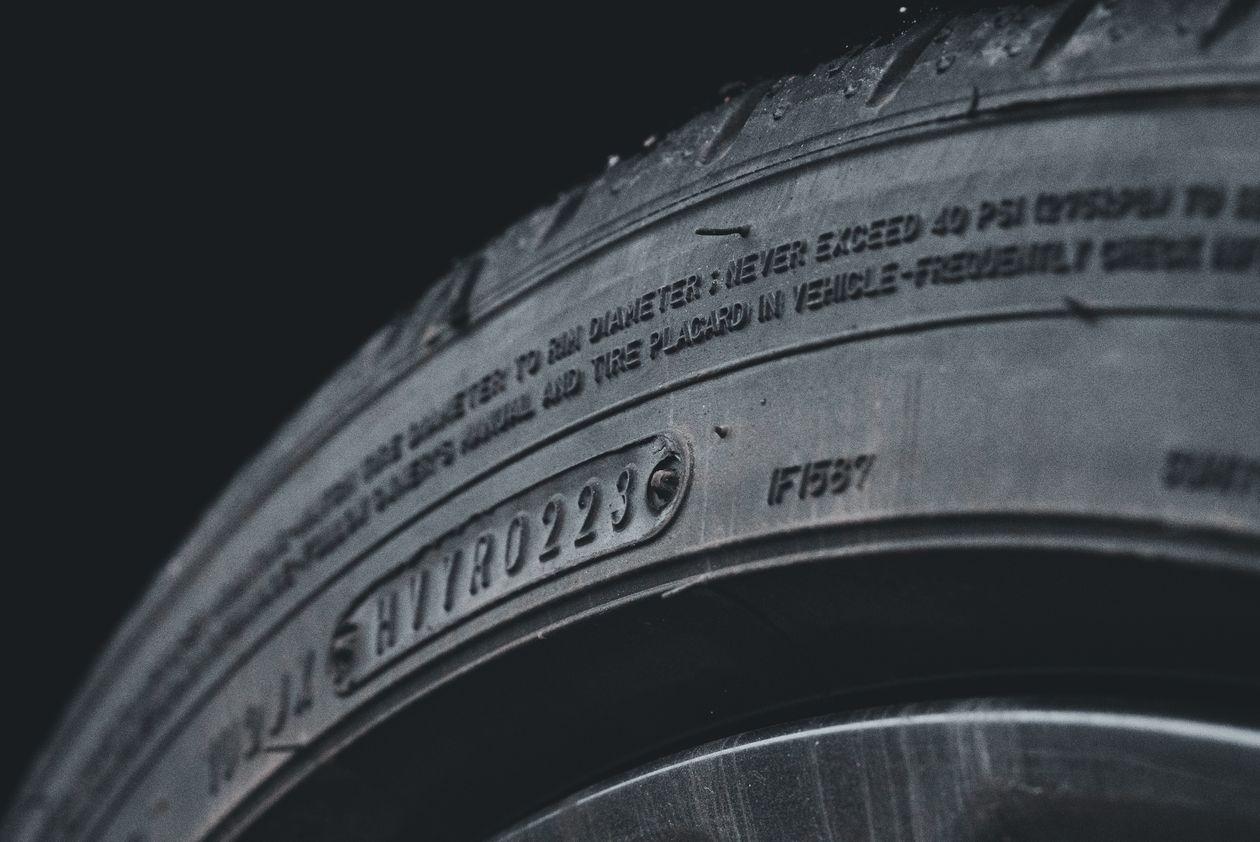
Load range is a letter rating on the tire sidewall. It shows the load-carrying class the tire was built and tested for, at a stated air pressure.
On a heavy-duty truck, that letter matters. The truck’s weight, payload, and trailer tongue weight all rest on four tires. A tire in too low a class cannot safely support that work.
You will find the letter on the sidewall, as part of the size and service description, close to the load index. Reading those markings together tells you what the tire can carry, and at what pressure.
Ply Ratings, Explained Simply
Load range letters grew out of the old ply-rating system. The rating describes strength, not the literal number of plies inside a modern tire.
- Load Range C: 6-ply rating, max 50 psi.
- Load Range D: 8-ply rating, max 65 psi.
- Load Range E: 10-ply rating, max 80 psi.
- Load Range F: 12-ply rating, max 95 psi.
One caution: the letter alone does not give an exact capacity. Two tires with the same letter but different sizes can carry different loads. That is why the load index printed after the size matters too.
The Short Answer: Load Range E for Most Chevy 2500s
Most Silverado 2500HD trucks, including diesel models, come from the factory on Load Range E LT tires. For most owners, E is simply the correct replacement spec.
Fitment can still vary by year, tire size, and configuration. Before you buy, confirm your truck’s spec on the placard, or look up your manual through Chevrolet’s owner resources.
How to Read the Door-Jamb Placard
Open the driver’s door and find the sticker on the door jamb. It lists the original tire size, including the LT marking, plus the recommended cold pressures for the front and rear tires.
The placard also ties into the truck’s weight ratings. Treat it as the final authority for size and pressure. Do not drop to Load Range D just to save money. The placard spec is a safety requirement, not a suggestion.
Why Load Range E Is the Standard
The 2500HD is built for serious work. It carries a higher gross vehicle weight rating than a half-ton pickup, and it is expected to tow and haul at that level for years.
Load Range E gives the tire the strength and pressure range to support that work. That is why Chevrolet fits it at the factory, and why it stays the right answer at replacement time.
Comparing Load Range C, D, E, and F Tires
Here is the quick comparison:
| Load Range | Ply Rating | Max PSI | General Use Note |
|---|---|---|---|
| C | 6-ply | 50 | Lighter-duty LT use |
| D | 8-ply | 65 | More capacity than C, but often below 2500HD factory spec |
| E | 10-ply | 80 | Common factory fit for Silverado 2500HD |
| F | 12-ply | 95 | Higher than most 2500HD trucks need |
Load Range E is the standard because these trucks are built for heavier work than a half-ton. The tire has to match that design intent.
Load Range D vs E: Which Is Better Here?
For this truck, E. Load Range D is an 8-ply rated class that tops out at 65 psi. On many 2500HD trucks, that sits below the factory spec.
Even when a D tire comes in the right size, it is still a downgrade if the placard calls for E. Size alone never settles the question. The load spec has to match too.
Should You Step Up to Load Range F?
Usually, no. On a stock 2500HD in its factory size, Load Range E already meets the spec. F adds stiffness without adding useful capacity.
F makes sense in one case: you change tire size, and that size in Load Range E cannot match the original capacity. Owners who change sizes, for example with 2017 Chevy 2500HD leveling kit tire sizes, should check capacity in the new size. The goal is matching the original capacity, not chasing the highest letter.
LT Tires vs Passenger Tires
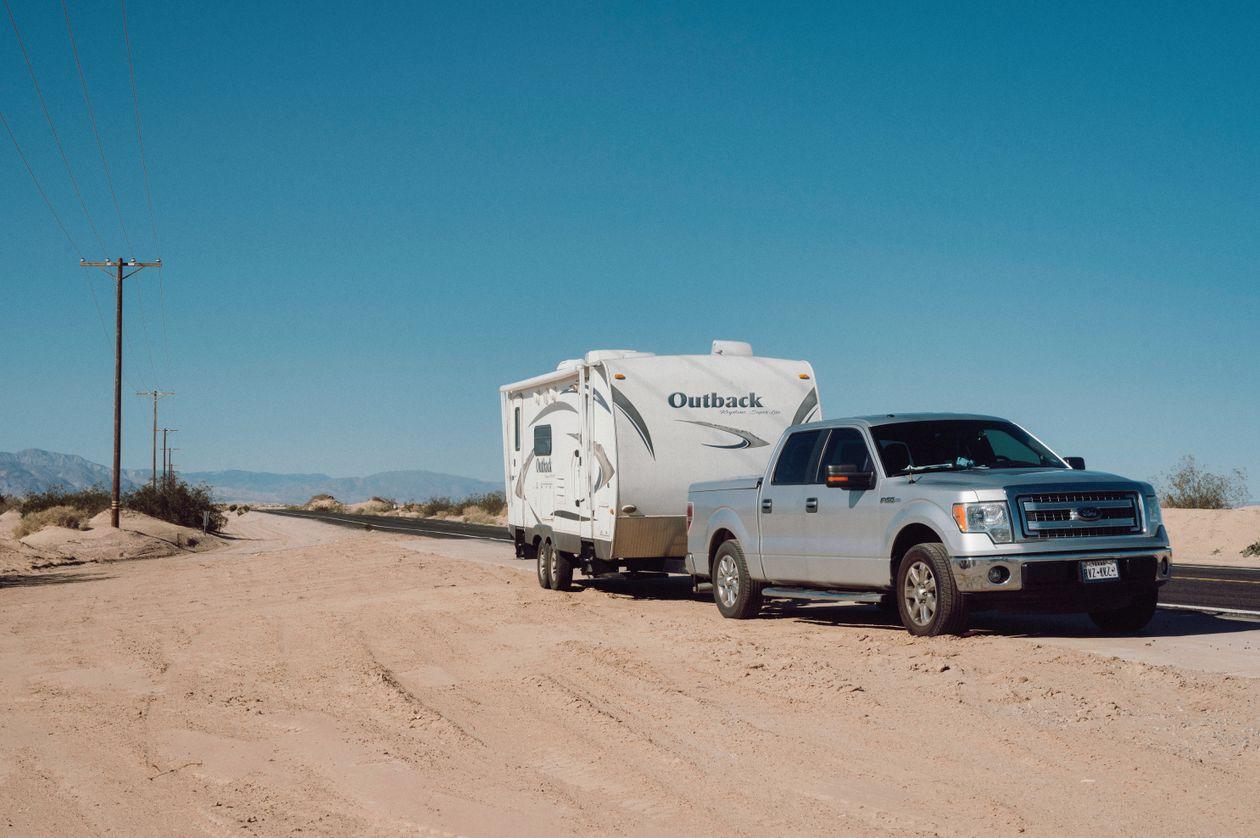
The 2500HD was designed around LT (light truck) tires. LT tires are built for heavier loads, higher pressures, and steady work use.
P-metric passenger tires belong on cars, crossovers, and lighter SUVs. On a 2500HD they bring real problems: less carrying capacity and softer sidewalls, on a truck that needs the opposite.
You can spot the difference on the sidewall. An LT tire’s size starts with the letters LT. A passenger tire’s size starts with P, or follows passenger standards without the LT marking. For a 2500HD, LT is the right family.
Choosing Replacement Tires: Load Index and Pressure
When you shop for replacements, run through this checklist:
- The size matches the placard, or is a properly researched change. See our guide to what size tires you can put on a Silverado.
- The load index is the same as the original, or higher.
- The load range meets the placard spec.
- The full set matches, front and rear.
- The spare matches the set, so it can carry the same loads.
Pressure matters just as much. A tire only carries its rated load at the right inflation, and capacity drops as pressure drops. The Toyo Tires load and inflation tables show how load and pressure connect. Our guide to how to calculate tire pressure for bigger tires walks through the method step by step.
Setting the Right Pressure
Check pressure cold, before driving, and set it to the placard values. The front and rear figures can differ on a heavy-duty truck, so read both.
Do not set pressure by the sidewall maximum. That number is the tire’s limit, not the truck’s setting. The placard is the setting Chevrolet chose for your truck.
What Load Range Means for Towing
When you tow, the tires carry more than the truck. They also carry the cargo in the bed and the trailer’s tongue weight, most of it over the rear axle.
A truck’s official tow rating comes from the whole vehicle, not the tires alone. But fitting a lower-rated tire shrinks the safety margin the factory setup had. Keep the tire capacity at or above the original spec, and the tires will not be the weak link.
Conclusion
For most Chevy 2500 owners, the answer stays simple: Load Range E, in the placard size, on LT tires. Stepping down to D or C gives up support the truck was designed to have.
Step up to F only when a size change makes it necessary to match the original capacity. And whatever you run, check your pressures regularly. The NHTSA tire safety pages explain why that simple habit matters.
Frequently Asked Questions
Will Load Range E tires affect ride quality?
A little. Load Range E tires ride firmer than lighter tires because of their stiffer construction. But E is the correct spec for the truck. Running the placard pressures keeps the ride close to what Chevrolet intended.
Can I run a lower load range if I don’t tow or haul often?
No. Never fit a lower load range than the placard calls for, even if the truck usually runs empty. The spec covers the truck’s own weight and ratings, not just your heaviest load.
Are all Load Range E tires the same?
No. Load Range E tires vary by size, load index, and design. Two E-rated tires in different sizes can carry different loads. Always compare the load index as well as the letter.