

Disclosure: Tires Review Zone is reader-supported. As an Amazon Associate I earn from qualifying purchases, at no extra cost to you. Learn more.
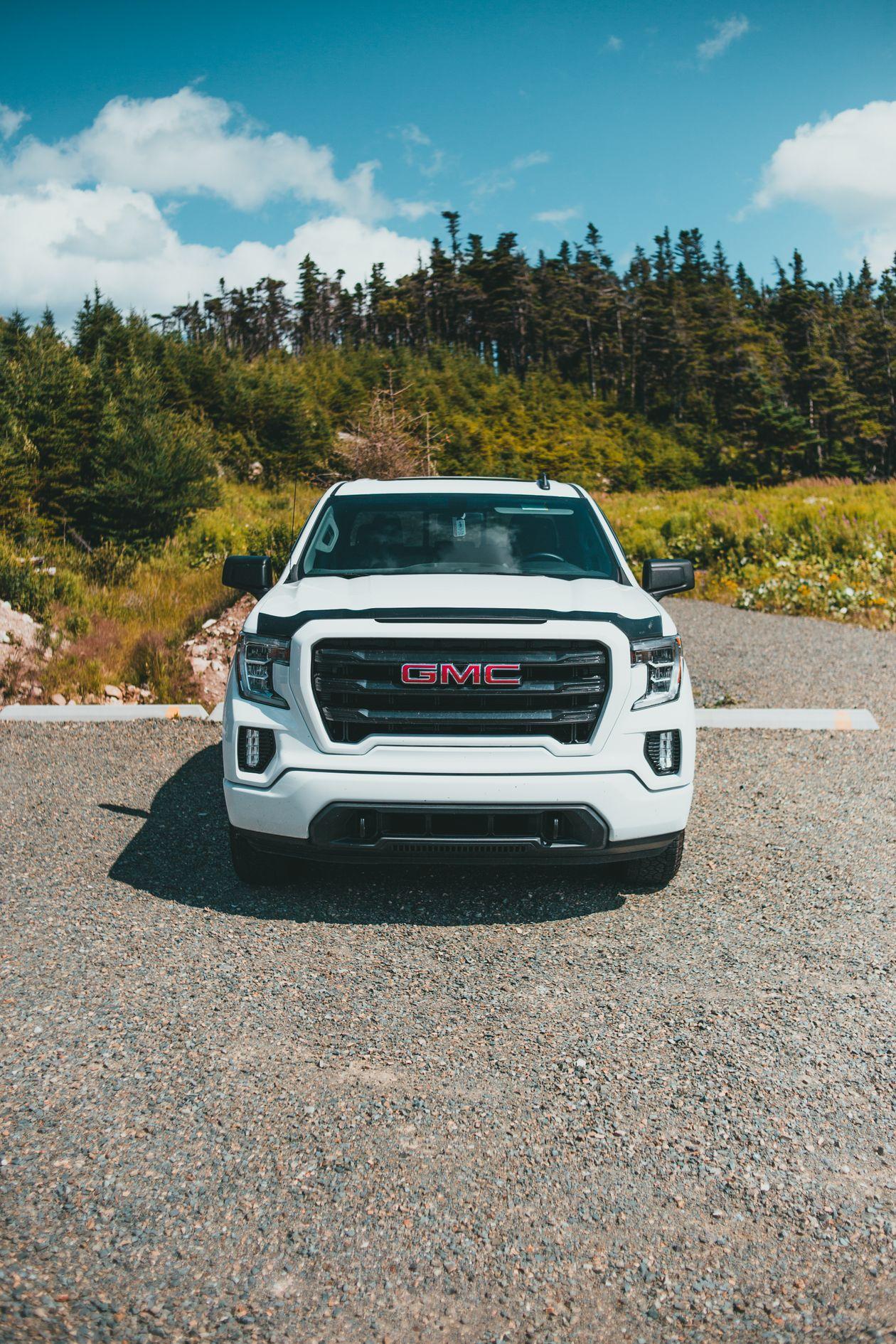
Ask a group of Sierra owners what size tires fit their trucks, and you will hear many different answers. The GMC Sierra 1500 has worn many factory sizes over the years, and wheel packages and trims change the answer.
This guide keeps it practical. It covers the common factory sizes, what usually fits a stock truck, and what changes when you add a leveling kit.
One rule covers every year and trim. Start with the size on your truck’s door placard, and measure any change against it.
Key Highlights
- Factory Sierra 1500 sizes range from about 30.5 to 33.0 inches in overall diameter.
- Common factory sizes include 265/70R17, 275/65R18, 275/55R20, and 275/60R20.
- Most stock Sierra 1500s can run tires up to about 32-33 inches, depending on width and wheel offset.
- A 2-inch leveling kit makes 33-inch tires a comfortable fit. It does not make every size fit.
- 35-inch tires usually need a taller lift and trimming.
- Bigger tires can change your speedometer reading, gearing feel, and load capacity. Plan for all three.
Start With Your Truck’s Factory Size
The most trustworthy source is the tire placard on the driver’s door jamb. It lists the size GMC fitted to your exact truck, plus the recommended cold pressures.
A general chart can point you in the right direction. The placard is specific to your truck, so it wins every argument.
Owners of older Sierras should start at the same place. Trucks from the 1999-2013 generations often wear sizes like 245/75R16, 265/75R16, or 265/70R17. The same fitment logic applies, because those trucks have similar wheel-well room.
If the placard is missing or unreadable, GMC’s owner resources can help you find the manual for your year and trim. Check it before you order anything.
How to Read a Tire Size Code
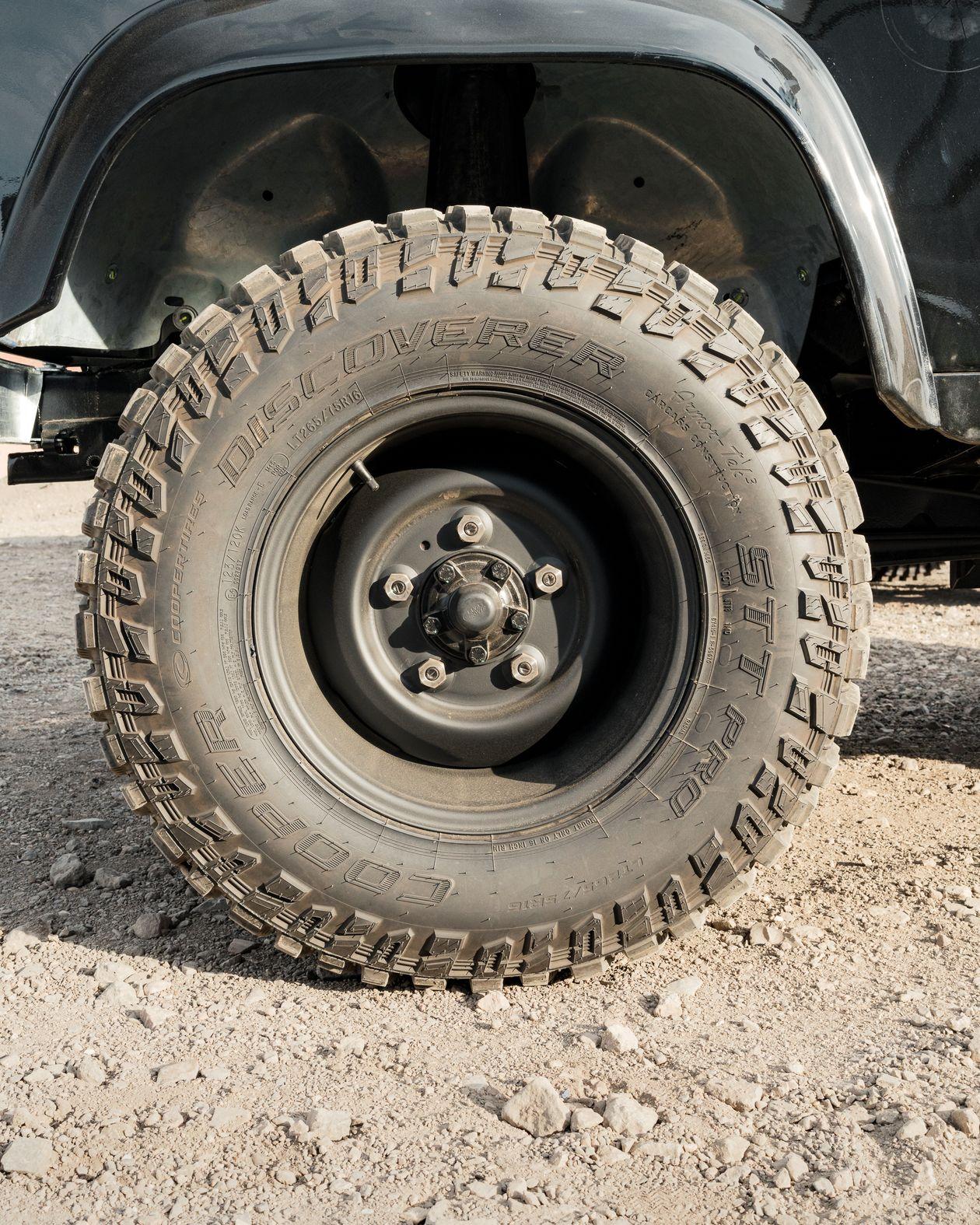
Take 275/65R18 as an example. The 275 is the tread width in millimetres. The 65 is the aspect ratio: the sidewall height is 65 percent of the width.
The R means radial construction, and 18 is the wheel diameter in inches. After the size you will usually see a load index and a speed rating. The load index matters most on a truck that tows or hauls.
Common Factory Tire Sizes for the Sierra 1500
Recent Sierra 1500s have left the factory on a short list of sizes. The table shows the most common ones and their overall diameters.
| Factory Size | Overall Diameter | Where You See It |
|---|---|---|
| 245/70R17 | 30.5 in | Base 17-inch wheels on many work trims |
| 265/70R17 | 31.7 in | Common 17-inch factory size |
| 265/65R18 | 31.6 in | Common 18-inch factory size |
| 275/65R18 | 32.1 in | Higher trims and off-road packages |
| 275/55R20 | 31.9 in | Common 20-inch factory size |
| 275/60R20 | 33.0 in | Tallest common 20-inch factory size |
| 275/50R22 | 32.8 in | 22-inch wheel packages |
Notice the spread. Even factory tires range from about 30.5 to 33.0 inches tall. That is why “stock size” means little until you name the exact size on the placard.
Older generations used some different sizes, and special trims vary. Treat this table as a guide to recent trucks, not a promise for every year.
A Note for Sierra 2500HD Owners
The heavy-duty Sierra follows stricter rules. Most 2500HDs run LT tires in Load Range E, and capacity matters more than clearance games. Match the placard’s load rating first, and only then think about size changes.
The Biggest Tires a Stock Sierra Can Usually Fit
On most stock Sierra 1500s, the practical ceiling is about 32 to 33 inches of diameter. Many trucks already sit close to that on their taller factory packages.
Width matters as much as height. A narrow 33 usually clears where a wide 33 rubs, because the wider tire sweeps a bigger arc at full steering lock.
Sizes in the 33-inch class include 285/70R17 (about 32.7 inches) and 275/60R20 (about 33.0 inches). Our guide to what size tires fit a Silverado covers the same fitment logic for the Sierra’s Chevrolet twin.
Wheel offset decides where the tire sits in the well. A wheel that pushes the tire outward can cause a rub at the fender edge, even in a size that clears on factory wheels. Staying close to the factory offset is the safe play when you size up.
Will 33-Inch Tires Fit Without a Lift?
Often, yes. Many stock Sierras run a 33-inch-class tire with no lift, as long as the width and offset stay close to factory.
But often is not always. Mud flaps, liner shape, and wheel choice can turn the same size into a rub on a different truck. Check your own truck before you commit.
How to Check Clearance Before You Buy
A careful check takes ten minutes and saves a costly mistake:
- Compare the new size with your current one. Note the extra height and width.
- Turn the steering to full lock on both sides, and inspect the gaps at the liner, mud flap, and control arm.
- Remember the tire also moves up and down with the suspension. Space that looks fine parked can vanish on a bump or a steep driveway.
- If the gap is tight everywhere, choose a slightly smaller or narrower size instead of planning to trim.
What a Leveling Kit Changes
A leveling kit raises the front of the truck by about 2 inches and removes the factory rake. That extra front clearance is what makes 33-inch tires a comfortable, everyday fit.
It does not make any size fit, despite what some older advice claims. Width and offset still rule, and a wide tire on an aggressive wheel can rub even on a leveled truck.
After any leveling kit, get a wheel alignment. Raising the front changes the angles the factory set.
For 35-inch tires, plan on a taller lift kit, usually 4 inches or more, plus trimming of liners or fender edges. Toyo’s plus-sizing guide explains how diameter and width changes interact.
Choosing the Right Tire Type, Not Just the Size
Size decides fit. Tread type decides how the truck behaves once the tires are on. Highway all-season tires are the quiet, efficient choice for trucks that mostly commute and tow on pavement.
All-terrain tires add grip on gravel, mud, and snow. They are the popular pick for trucks that leave the pavement on weekends.
If your winters bring real snow, a dedicated winter tire in the stock size beats any bigger all-terrain. Match the tire type to the work, then fine-tune the size.
Side Effects to Plan For
A taller tire rolls farther with each turn, so your speedometer will read lower than your true speed. Our guide to how to calibrate a speedometer for larger tires shows how to correct the reading.
Taller tires also soften your effective gearing. The truck can feel slower off the line and hunt for gears on hills. The explainer on the best gear ratio for 33-inch tires covers when regearing makes sense.
Finally, check the load index of the new size. It must meet or beat the original tire’s rating, especially if you tow or haul. A tire that fits the wheel well can still be the wrong tire if it carries less.
Bigger tires are heavier, too. Extra rotating weight can dull acceleration a little and add wear to brakes and suspension parts over time. None of this rules out a size upgrade. It just belongs in the plan.
Do Not Forget the Spare
Your spare should match the new tires’ overall diameter as closely as possible. A much smaller spare can upset the truck’s stability systems and, on a 4WD truck, strain the driveline. Update the spare when you update the set.
Conclusion
So, what size tires can you put on your GMC Sierra? Start with the placard size, and treat about 33 inches as the practical ceiling for a stock 1500 in sensible widths.
Check clearance at full lock, keep the load rating at or above stock, and correct the speedometer if the diameter changes. The NHTSA tire safety pages are a good reminder of why those basics matter.
Frequently Asked Questions
Is It Safe to Run a Different Size Than the Factory Size?
Yes, within limits. A size that stays close to the factory diameter, clears at full lock, and matches the original load rating is a sensible change. Big jumps in size need the lift, clearance work, and calibration to match.
Will Bigger Tires Affect Fuel Economy and Towing?
They can. Taller, heavier tires add rolling resistance and soften effective gearing, so fuel use often rises a little. Towing feel can change too, which is why load rating and gearing deserve a check before you buy.
Can a 2-Inch Leveling Kit Really Fit Any Tire Size?
No. That claim floats around, but it is wrong. A leveling kit adds front clearance and suits 33-inch tires well. It does not clear every width, every offset, or 35-inch tires without more work.