

Disclosure: Tires Review Zone is reader-supported. As an Amazon Associate I earn from qualifying purchases, at no extra cost to you. Learn more.
The 1998 GMC Sonoma is a compact truck, but its tire size is not one single number. It changes with trim, cab, and whether the truck is two-wheel drive or four-wheel drive. Buying the wrong size is an easy mistake.
The good news is that your truck tells you its size in two places. The door placard lists what GMC fitted at the factory, and the sidewall of your current tires repeats it. Start there, and the rest of this guide will make sense.
Below you will find the common factory sizes, what the size code means, the bolt pattern, and the rules for changing sizes safely. You will also find how load ratings and tire age factor in, which matters a lot on a truck this old.
The Short Answer: Factory Tire Sizes
Two-Wheel-Drive Trucks
Most 2WD Sonomas ride on 15-inch tires. Depending on trim and options, common factory sizes include P205/75R15 and P215/75R15. The P215/75R15 is the size many owners know as the standard fit for this truck.
Some trucks left the factory on slightly wider rubber, and many have been changed over the years. Wheels get swapped, and sizes drift from stock. That is why the placard check below matters more than any list, including this one.
Four-Wheel-Drive Trucks and the ZR2
4WD Sonomas commonly wear P235/75R15. It is taller and wider than the 2WD sizes, and it suits the higher stance of the 4×4 chassis. Many tire finders list this size for the SLS 4×4, and it is a very common sight on these trucks.
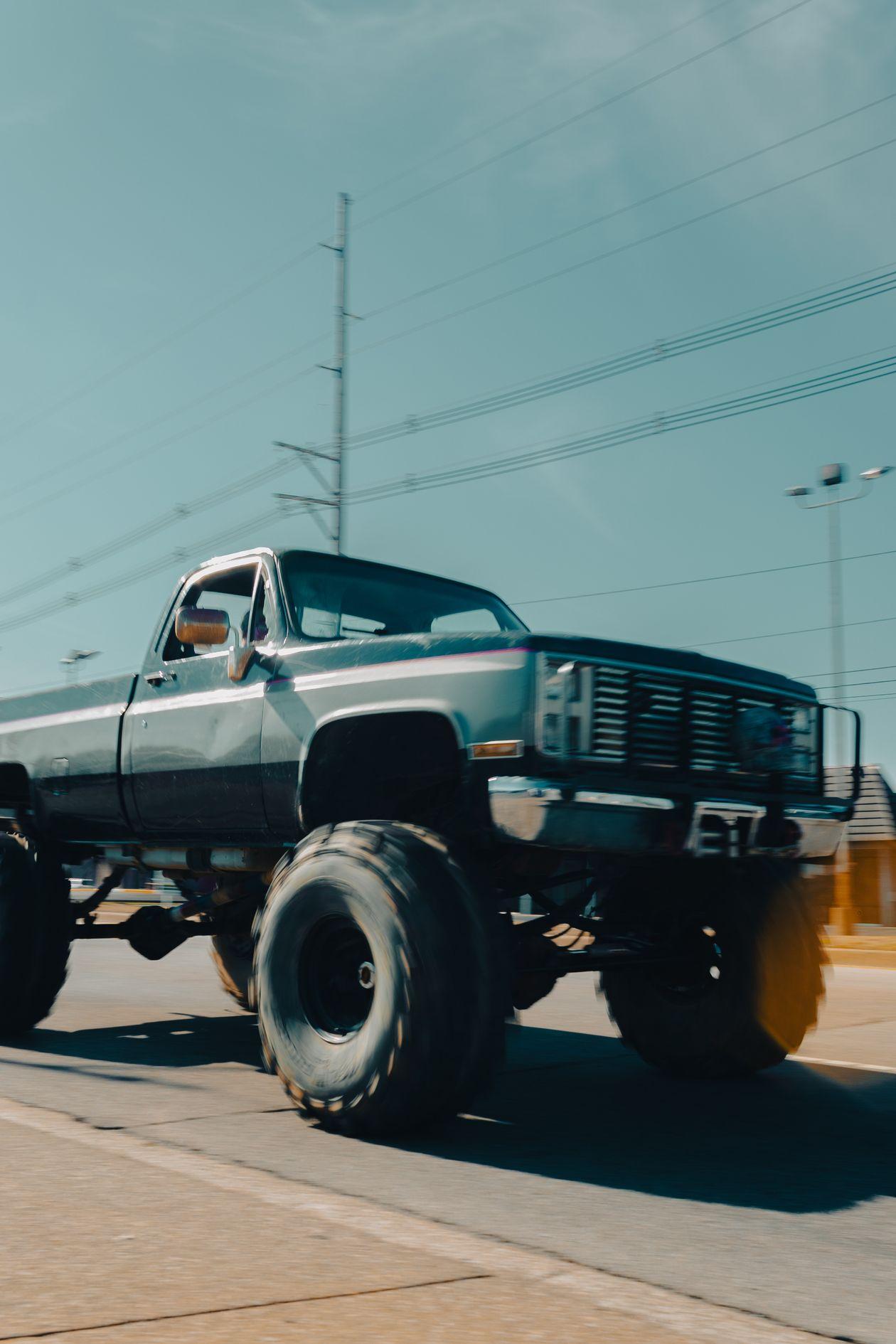
The ZR2 off-road package is the outlier. It came with flotation-size 31×10.50R15LT tires on wider wheels, plus a raised suspension and wider track. If you have a real ZR2, shop in that size family, not the P-metric sizes above.
Confirm Your Truck’s Size Before You Buy
Open the driver’s door and find the tire and loading placard on the door jamb. It lists the original tire size and the recommended cold pressure for this exact truck. That label beats any general chart.
Then read the sidewall of a current tire. If the sidewall and the placard agree, you have your answer. If they differ, a past owner changed sizes, and you should decide which setup you want to keep.
The NHTSA tire safety pages explain why matching the placard matters. The placard size is what the truck’s gearing, speedometer, and load ratings were built around.
What If the Placard Is Missing or Unreadable?
On a truck this old, labels fade and doors get replaced. If the placard is gone, the owner’s manual lists the factory sizes for each version. A dealer parts counter can also look up the build by VIN.
As a cross-check, read all four sidewalls. If three match and one differs, the odd one is likely a later replacement. Plan your purchase around the matching size, or correct the odd tire as part of the job.
What the Tire Size Code Means
Take P215/75R15 as the example. The P means passenger-type construction, which is normal for a light compact truck used on the road. The 215 is the tread width in millimeters.
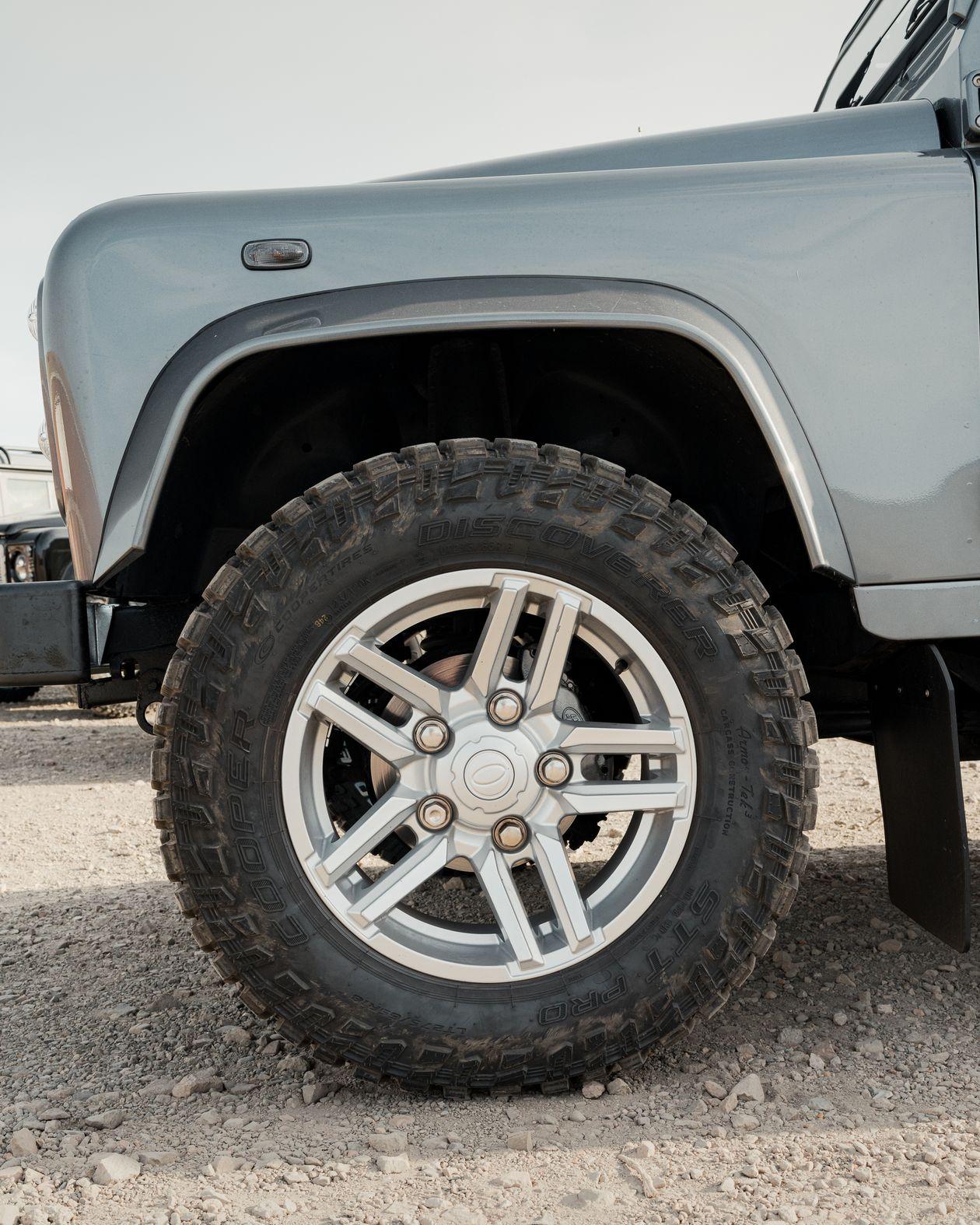
The 75 is the aspect ratio. The sidewall height is 75 percent of the width, which here works out to about 6.3 inches. The R means radial construction, and 15 is the wheel diameter in inches.
Add it up and a P215/75R15 stands about 27.7 inches tall. A P235/75R15 works out to about 28.9 inches tall, which is why the 4WD truck sits a little higher. Our guide to the difference between a 285 and a 275 tire shows the same width math on bigger truck sizes.
Load Index, Speed Rating, and Tire Age
The size code is followed by a load index and speed symbol, such as 100S. The index tells how much weight one tire can carry. Common Sonoma sizes sit around index 100, but read your own sidewall and never fit a tire with a lower index than the original.
The speed letter is a rating, not a target. Ratings like S or T are typical on these sizes and are more than enough for legal road speeds. What matters more is that all four tires share the same rating family and tread type.
Age is the silent factor. The last four digits of the DOT code give the build week and year, so 2319 means week 23 of 2019. Tire makers advise close inspections as tires pass five years, and replacement by ten years even if tread remains.
Bolt Pattern and Wheel Fit
The Sonoma uses a 5-lug bolt pattern of 5×4.75 inches, often written as about 5×120.7mm. It is the same pattern as the Chevy S10, since the two trucks are platform twins. That makes used and aftermarket wheels easier to find.
A matching bolt pattern is only the start. Wheel width, offset, and backspacing still decide whether a tire clears the fenders and suspension. Test-fit before you commit, especially with wider 4WD or ZR2 sizes.
Lug nuts on these trucks are typically M12x1.5 thread. If you change wheels, confirm the lug seat type matches, because the wrong seat can let a wheel work loose. Torque the nuts in a star pattern and recheck them after a short drive.
Can You Change to a Different Size?
Yes, within limits. The safest changes keep the overall diameter close to stock, usually within about 3 percent. That keeps the speedometer honest and the gearing where the truck expects it.
Here is a real example. Swapping a 2WD truck from P215/75R15 to P235/75R15 adds about 1.2 inches of diameter, roughly 4 percent. The speedometer then reads about 4 percent low, so an indicated 60 mph is closer to 62 mph in reality.
On a 4WD truck, all four tires must be the same size and close in wear. Mixing diameters makes the front and rear axles fight each other on dry pavement. Match the spare too, or treat a smaller spare as a short, slow trip only.
Bigger changes bring homework. A taller tire can rub, and it will throw the speedometer and odometer off until corrected, as our guide to calibrating a speedometer for larger tires explains. Never go below the load index of the original tire.
Choosing Replacement Tires
Match the tire type to how the truck really works. A 2WD truck that commutes on pavement is best served by a highway or touring all-season. It rides quietly and wears slowly.
A 4WD or ZR2 that sees trails needs an all-terrain tread with stronger sidewalls. If the truck works through real winters, look for the three-peak mountain snowflake symbol, which marks a tire rated for severe snow use.

Set pressure by the door placard, not the sidewall maximum. The USTMA tire care and safety guidance covers the monthly checks that keep a set wearing evenly. For loads beyond stock use, the Toyo load and inflation tables show how pressure and load connect.
How Many Should You Replace at Once?
Replace in pairs at minimum, and put the newer pair on the rear axle. That is long-standing tire industry guidance, because stronger rear grip keeps the truck stable in the wet. Keep the pair the same size, model, and tread.
On a 4WD truck, a full matched set of four is the right answer whenever wear differs much. One fresh tire beside three worn ones creates a small diameter mismatch at every corner. The same confirm-first method works on the bigger GM trucks too, as our guide to what size tires fit a Silverado shows.
Conclusion
For most 1998 Sonomas, the answer is a 15-inch size: P205/75R15 or P215/75R15 on 2WD trucks, P235/75R15 on most 4WD trucks, and 31×10.50R15LT on the ZR2. Your door placard settles which one is yours.
Confirm the size, keep all four matched, and hold the diameter close to stock if you change. Check the load index and the date code while you are at it. Do that, and this little truck will ride and handle the way GMC intended.
Frequently Asked Questions
What is the standard tire size for a 1998 GMC Sonoma?
There is no single size for every truck. P215/75R15 is the widely listed standard size for 2WD models, while many 4WD trucks wear P235/75R15. Your door placard gives the size fitted to your truck.
What bolt pattern does a 1998 GMC Sonoma have?
It uses a 5-lug pattern of 5×4.75 inches, about 5×120.7mm. The Chevy S10 shares it. Wheel width and offset still need checking before a swap.
Can I put 235/75R15 tires on a 2WD Sonoma?
Many owners do, and clearance is usually workable, but it is taller than stock. Expect the speedometer to read a little low and the truck to feel slightly taller-geared. On a work truck that hauls weight, staying with the placard size is the safer call.
Do Chevy and GMC compact trucks share wheel fitment?
Largely, yes. The Sonoma and S10 are platform twins, so bolt pattern and general fitment carry over. Always confirm the exact wheel specs and tire clearance on your own truck before buying.
Why does my Sonoma have a different size than listed?
Trim, drive type, and option packages all changed the factory fitment. Past owners also swap sizes over 25-plus years. Trust the placard first, then the sidewall, and treat online lists as a starting point only.