

Disclosure: Tires Review Zone is reader-supported. As an Amazon Associate I earn from qualifying purchases, at no extra cost to you. Learn more.
Sooner or later, every Sierra owner needs the spare tire down. Maybe you have a flat. Maybe you just want to check the spare before a long trip.
On a 2007 GMC Sierra, the spare does not live in the bed. It hangs under the rear of the truck on a cable hoist. You lower it with the truck’s own tools, and no lug wrench work is needed until the tire is on the ground.
This guide walks through the whole job. You will learn where the spare and tools are, how to lower the tire safely, and what to do if it refuses to come down.
Where the Spare Tire Lives on a 2007 GMC Sierra
Look under the rear of the bed, ahead of the rear bumper. The spare sits flat against the underside of the truck. A steel cable from a small winch, called the hoist, passes through the center of the wheel and holds it in place.
Nothing is bolted by hand under there. The hoist does all the holding, and it also does all the lifting and lowering. That is why the steps below use the jack handle instead of a wrench.
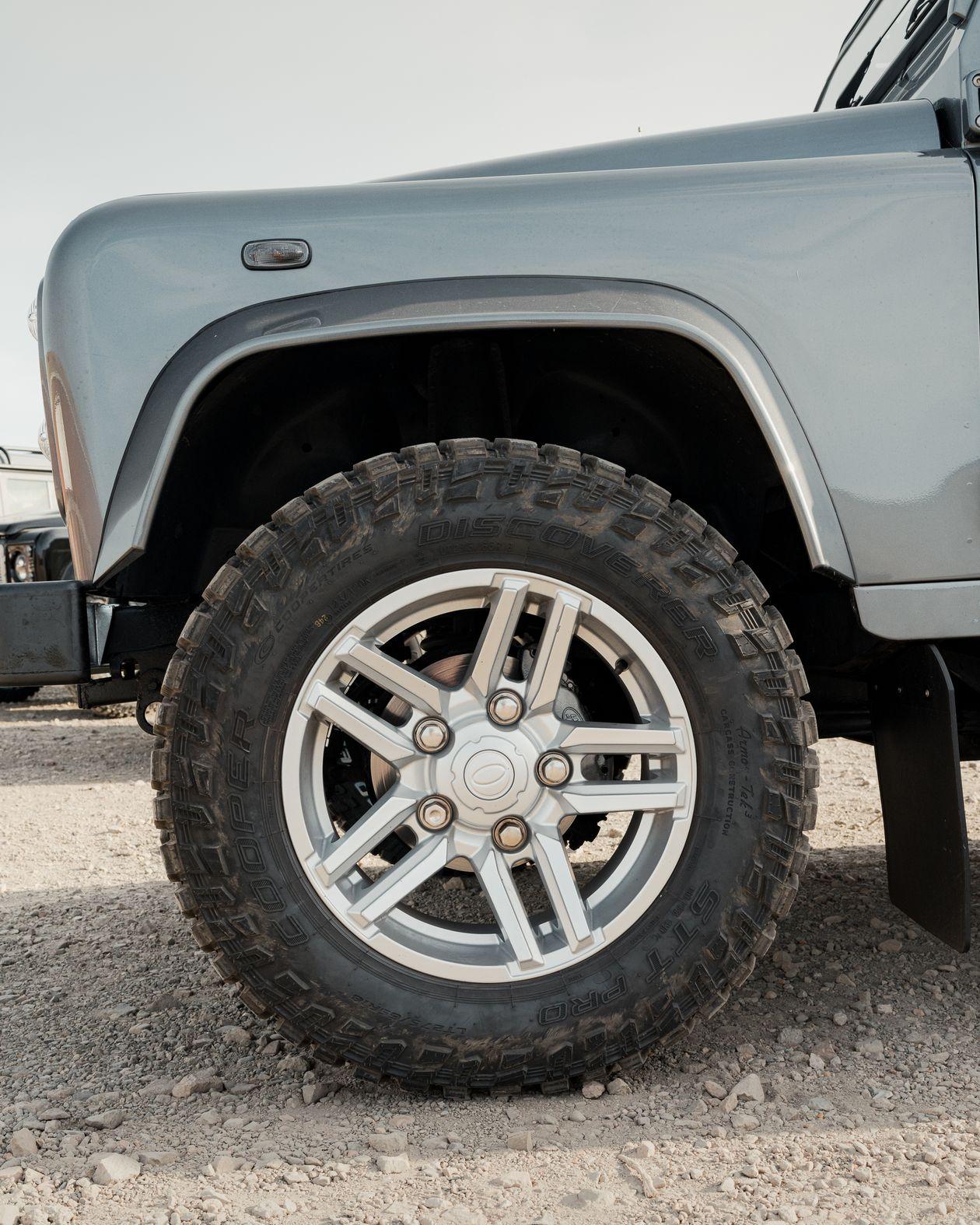
The system is the same one used on the Silverado of the same years, since the two trucks share a platform. If you are comparing the two, our guide to the 2004 Chevrolet Silverado tire size covers the sister truck’s fitments. Your Sierra’s owner’s manual also has a diagram of the hoist for your exact cab and bed.
Safety First, Every Time
Park on flat, firm ground before you start. Set the parking brake, and chock a wheel at the opposite end of the truck. Work away from traffic whenever you can.
Never put any part of your body under a tire that hangs only from the hoist cable. Lower it, then slide it out. If you need to jack the truck up for a tire change, remember that a jack is for lifting, not for holding.
The NHTSA tire safety pages give the same core advice for any roadside tire work. Go slow, keep the truck stable, and keep your hands clear of pinch points around the cable and retainer.
The Tools You Need Are Already in the Truck
The Sierra carries its own kit. You need the jack handle, the extension shafts that join it, and the wheel wrench. The jack itself is only needed if you are changing a flat, not for lowering the spare.
On most 2007 trucks, the tools sit in a bag or tray in the cab. Depending on the cab style, that means under or behind a seat. Check the owner’s manual if you cannot find them, and check them before an emergency, not during one.
Join the extension shafts to the handle before you start. The assembled tool has to reach from the rear bumper to the hoist shaft, so more than one extension is normal.
How to Lower and Remove the Spare, Step by Step
Find the Access Hole
Stand behind the truck and look at the rear bumper, near the license plate. There is a small hole that lines up with the hoist shaft. Some trucks have a small lock in that hole, and your ignition key opens it.
Push the assembled handle straight into the hole until it seats on the hoist shaft. You should feel it engage. If it spins freely, it is not seated yet, so push a little deeper.
Turn the Hoist and Lower the Tire
Turn the handle counterclockwise to unwind the cable. Go slowly and steadily. The tire will start to drop as the cable pays out.
- Keep turning until the tire rests flat on the ground.
- Give the cable a little extra slack so you can move the tire.
- Slide the tire out from under the truck toward you.
With the tire out, tilt it up and pass the cable retainer through the center hole of the wheel. That frees the tire from the hoist completely. Set the handle aside, but leave the cable hanging for now.
If You Are Changing a Flat
Loosen the flat tire’s lug nuts slightly before you jack the truck up. Raise the truck, swap the wheels, and snug the nuts in a star pattern. Lower the truck and finish tightening, then stow the flat on the hoist using the steps further down.
If the Spare Will Not Come Down
The cable unwinds, but the tire stays up. Or the hoist turns a little and binds solid.
The usual cause is the hoist’s secondary latch. GM built in a backup latch that catches the tire if the cable ever fails. With age, road salt, and rust, that latch can stick shut and hold the tire even when the cable is slack.
Try this order. First, wind the tire back up snug, then lower it again while a helper gently pushes up and wiggles the tire from the side. Sometimes that alone frees the latch.
If it still holds, support the tire safely so it cannot fall, then spray penetrating oil on the latch and hoist area. Let it soak, then work the hoist up and down a little at a time. Never reach under a hanging tire that is not supported.
If the cable is frayed, the hoist is seized, or nothing moves, stop forcing it. Forcing the handle can snap the cable or bend the shaft. A shop can drop the hoist assembly with the tire, and replacement hoists are common for these trucks.
Prevention is simple. Lower the spare once or twice a year, clean the cable and latch, and wind it back up. Five spare minutes in the driveway beats a stuck spare on the shoulder at night.
Putting the Spare Back Under the Truck
Reinstalling is the reverse of removal. Lay the tire under the rear of the truck with the valve stem facing down. That way you can check and add air later without lowering it all the way.
Pass the cable retainer through the center hole and let it seat flat. Then turn the handle clockwise to wind the tire up. Keep it rising straight, and stop when it sits snug against the underside.
Give the tire a firm push and pull to confirm it cannot shift. A loose spare can sway, wear the cable, and make noise over bumps. Stow the tools back in the cab so they are there next time.
Check the Spare While It Is Down
A spare that has hung under the truck for years may not be ready for the road. Look for cracks in the sidewall, dry rot, and tread worn smooth. Check the rim for rust around the bead.
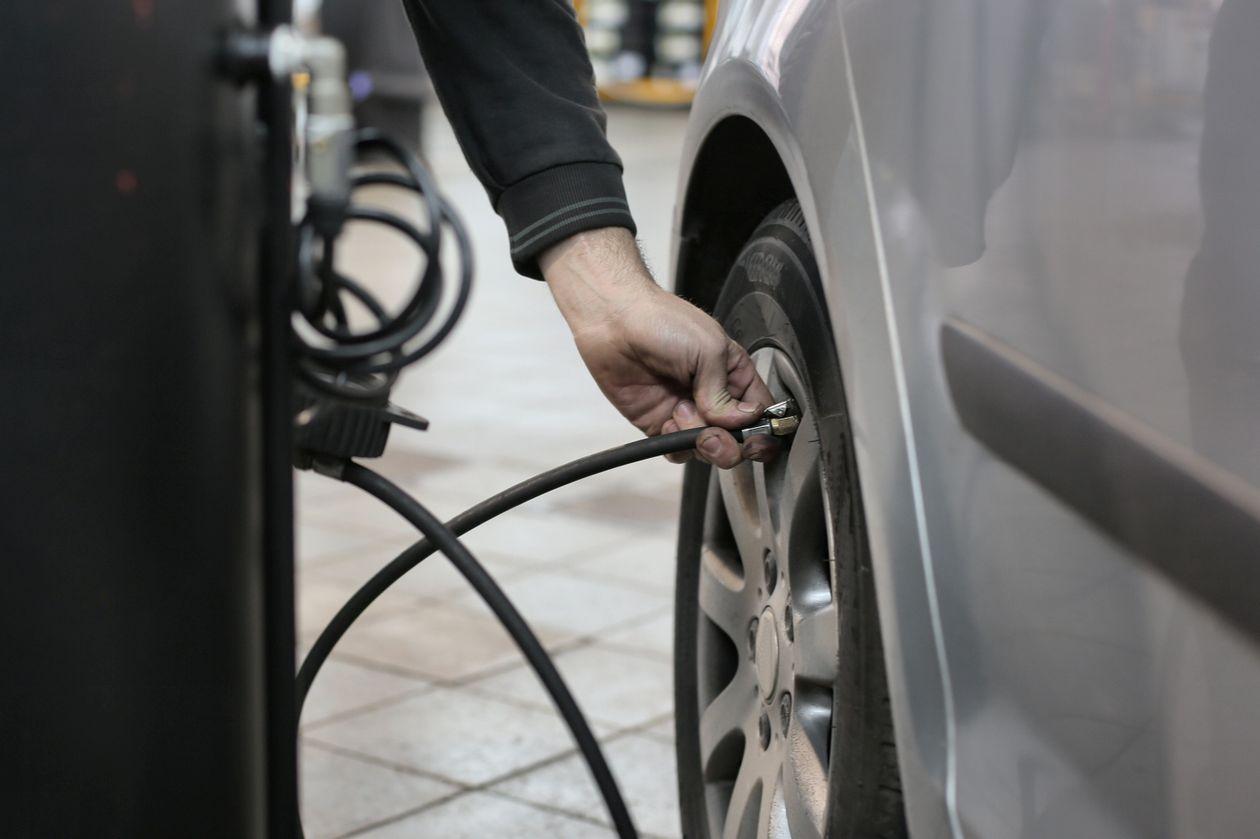
Check the pressure with a gauge and set it to the number on your door placard, like the routine in our guide to unloaded tire pressure for Duramax trucks. Spares lose air slowly, and an unchecked spare is often far too soft to carry the truck. The USTMA tire care and safety guidance treats the spare as a fifth tire that needs the same checks.
Most Sierras of this age carry a full-size spare. If yours is a compact temporary spare instead, respect the limits molded on its sidewall and replace it with a real tire as soon as you can. For matching a spare to larger road tires, the Toyo load and inflation tables show how pressure supports load.
Should You Drive Without a Spare?
The old version of this post listed the benefits of removing the spare for good. Honest answer: the benefits are tiny, and the risk is real.
Taking the spare off does save a little weight. That can help fuel use by a very small amount, and it frees the hoist area for cleaning or repair. That is about where the upside ends.
The downside is simple. One flat tire leaves you waiting for a tow instead of driving away in twenty minutes. That trade gets worse far from town, at night, or in bad weather.
Towing without a spare doubles the gamble. A flat on the truck or a long wait for help can strand the trailer too. If you upsized your road tires, plan the spare as well, as our look at what size tires fit a Silverado explains for the sister truck: a much smaller spare is a short, slow limp, not a true replacement.
Conclusion
Removing the spare on a 2007 GMC Sierra is a hoist job, not a wrench job. Find the bumper access hole, turn the handle counterclockwise, and lower the tire with control. If it sticks, think secondary latch and rust before you think force.
While the spare is down, check its pressure and condition. Then wind it back up snug, and test the hoist once in a while so it works the day you really need it.
Frequently Asked Questions
Where is the spare tire on a 2007 GMC Sierra?
It hangs under the rear of the bed, held by a cable hoist. It is not in the bed and not in a trunk. You reach the hoist through a small hole in the rear bumper.
How do I lower the spare if I lost the factory tools?
You need a tool that fits the hoist shaft through the bumper hole. Replacement jack handle and extension kits for these trucks are widely sold. Avoid makeshift tools that can slip or round off the shaft, because a damaged shaft makes the job much harder.
Why won’t my spare tire come down?
Usually the secondary safety latch is stuck, or the hoist is rusted. Wind the tire up snug, lower it again while wiggling it from the side, and try penetrating oil on the latch. If the cable is frayed or the hoist is seized, let a shop replace the hoist.
Which way do I turn the handle to lower the spare?
Counterclockwise lowers the tire. Clockwise winds it back up. Turn slowly either way, and stop when the tire is fully down or fully snug.
Is the spare on a 2007 Sierra full-size?
Most of these trucks came with a full-size spare on a steel wheel. Check yours before you rely on it, and match its pressure to the door placard. If a past owner swapped in a compact spare, treat it as a short-distance backup only.