

Disclosure: Tires Review Zone is reader-supported. As an Amazon Associate I earn from qualifying purchases, at no extra cost to you. Learn more.
Light truck tires are built for pickups, vans, and SUVs that carry heavier loads than a regular car. They use a stronger build than most passenger tires. That extra strength helps when you haul tools, tow a trailer, or drive on rough roads.
But not every light truck tire suits every driver. Some are made for smooth highway miles. Others handle dirt, gravel, and mud. The right choice depends on where you drive most.
It also explains the main tire types, how to read tire sizes and ratings, and how to care for your tires. Start with the size and load rating your truck needs. Then pick the tread type that fits your roads.
Key Points
- Light truck tires carry heavier loads than most passenger car tires.
- Highway tires suit paved roads. All-terrain tires mix road and off-road use. Mud-terrain tires suit deep mud and loose ground.
- Always match the tire size and load rating to your truck. Check the door jamb sticker or the owner’s manual.
- Check tire pressure often. Rotate tires on a regular schedule.
- No single tire is best for every driver. The best tire is the one that fits your truck and your roads.
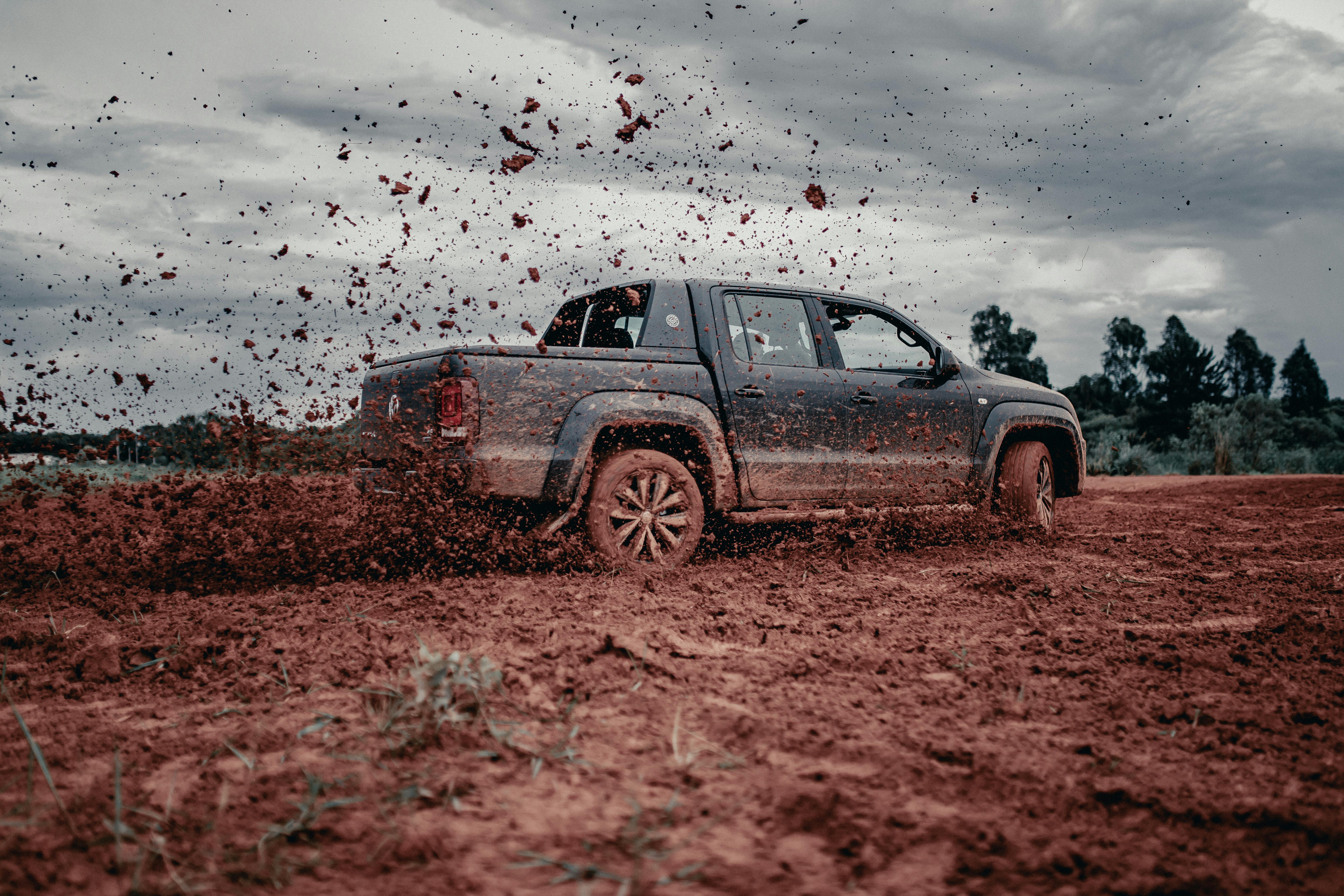
Top Light Truck Tires for Everyday and All-Terrain Driving
Four of the ten tires below are Firestone Transforce HT2 highway tires. They suit drivers who spend most miles on pavement. The rest of the list adds all-terrain and mud-terrain options. Each tire name links to its product page. A check price link follows each short review.
1. Firestone Transforce HT2 LT245/75R16
This is a highway terrain tire for light trucks. It suits drivers who spend most of their time on pavement. Its tread is made for steady handling and work use. As an LT tire, it has a stronger build than many regular car tires. That matters if your truck often carries tools, gear, or moderate loads.
2. Firestone Transforce HT2 LT225/75R16
This is another highway tire built for light truck use. It suits work trucks and daily drivers with a narrower footprint than the LT245/75R16 above. LT tires often use stiffer sidewalls. That can help support cargo and towing. In return, the ride may feel firmer than a softer passenger car tire.
3. Firestone Transforce HT2 LT235/85R16
This is another highway terrain choice, but in a taller size. The taller size changes the fit and feel. Start with your truck’s own guidance, the door jamb sticker, and the way you really drive. Size comes first. After that, look at load and speed ratings in general terms, as explained below.
4. Atturo Trail Blade A/T LT245/75R16
If you need more versatility, this Atturo moves into all-terrain territory. All-terrain tires can handle pavement, gravel, and dirt roads without the full trade-offs of a mud tire. For many truck owners, that middle ground works best. An all-terrain design often gives stronger grip on loose surfaces than a highway tire. It can also work better for light snow and rough paths. It is still not the same as a true snow tire.
5. MICHELIN Defender LTX M/S
The Michelin Defender LTX M/S is an all-season radial for light trucks and SUVs. It aims at a quiet, comfortable ride with steady grip in wet and dry conditions. It suits drivers who want one tire for year-round road use. It is not a mud tire. It is a road-focused option with light truck strength.
6. Landgolden LGT57 A/T LT235/80R17
The Landgolden LGT57 is an all-terrain tire for light trucks. Its tread is made for mixed use: paved roads plus dirt and gravel. It suits drivers who leave pavement from time to time. Like other all-terrain tires, it trades some highway quietness for grip on loose ground. Check that the LT235/80R17 size matches your truck before you buy.
7. Firestone Transforce HT2 LT235/80R17
This is the fourth Transforce HT2 on the list, again in highway terrain form. The LT235/80R17 size is taller and narrower than some of the sizes above. It suits trucks that need that exact fitment. As with the other Transforce tires here, the focus is steady highway use and load support, not deep off-road work.
8. Set of 4 Haida Puma HD818 M/T Mud Off-Road Tires
This set of four Haida tires is a mud-terrain option. Mud tires use deep, aggressive tread to bite into mud and loose ground. They suit trucks that spend a lot of time off road. On pavement, mud tires are often louder and rougher than highway or all-terrain tires. Buy them when off-road grip matters more than a quiet highway ride.
9. Set of 4 Venom Power Terra Hunter X/T XT Tires
This set of four Venom Power tires is made for mixed and rough terrain. The X/T design sits between all-terrain and full mud-terrain use. It suits drivers who want strong grip on dirt and gravel, plus usable road manners. Check the size and load rating against your truck. Four matching tires also help with even wear and balanced handling.
10. Set of 4 Forceum M/T 08 Plus Mud Off-Road Tires
This set of four Forceum tires is another mud-terrain option. Its aggressive tread pattern helps clear mud and debris from the tire. That suits trucks used on muddy tracks and rough ground. Like other mud tires, expect more road noise than a highway tire. If most of your miles are on pavement, a highway or all-terrain tire will feel more comfortable.
What Are Light Truck Tires?
Light truck tires are made for trucks, vans, and SUVs. They are wider and stronger than most passenger car tires. They also carry a higher load rating. That extra strength helps with hauling and towing. It also helps on rough roads.
The main benefit is durability. A stronger build stands up better to heavy use. A wider contact patch can also add stability. There are trade-offs too. Light truck tires can ride firmer than car tires. They can also use more fuel. That is the price of the extra strength.
Highway, All-Terrain, and Mud-Terrain Tires
Highway Terrain Tires
Highway tires suit paved roads. They give a smooth, quiet ride. They also handle well in wet and dry weather. They are the best pick when most miles are on pavement. They are not made for deep mud.
All-Terrain Tires
All-terrain tires mix road and off-road use. They grip better on gravel and dirt than highway tires. They still work fine on pavement. They are louder than highway tires, but quieter than mud tires. They suit drivers who split time between roads and trails.
Mud-Terrain Tires
Mud tires use deep, wide tread blocks. They clear mud and loose ground well. They are the best pick for serious off-road use. On pavement, they are louder and rougher. They also wear faster on hard roads.
How to Read Tire Size, Load Index, and Speed Rating
A tire size code looks like LT245/75R16. LT means light truck. The first number is the width in millimeters. The second number is the sidewall height as a share of the width. R means radial construction. The last number is the wheel diameter in inches.
Load index tells you how much weight a tire can support when properly inflated. A higher number means a higher load capacity. Speed rating tells you the top speed the tire is designed for. Both ratings appear on the tire sidewall. You can learn more about tire ratings from NHTSA TireWise. Always pick ratings that meet or beat what your truck maker asks for.
Never guess at size or rating. The wrong size can rub, hurt handling, or throw off your speedometer. The wrong load rating can be unsafe under a heavy load. When in doubt, check the door jamb sticker, the owner’s manual, or a tire shop.
Tire Care That Helps Tires Last
Good care helps any tire last longer. Check pressure at least once a month, and before long trips. Use the pressure listed on the door jamb sticker, not the number on the sidewall. The sidewall number is a maximum, not the normal setting. You can read why pressure matters in our guide to tire PSI and proper inflation.
Rotate tires on a regular schedule. Rotation spreads wear across all four tires. Check tread depth too. Shallow tread grips less in rain. Also watch for cuts, bulges, and uneven wear. Those signs mean a tire needs a closer look.
In cold months, tread and pressure need extra care. Cold air lowers pressure. Snow and ice also test grip. Our winter tire maintenance tips cover checks worth doing before winter sets in. For deep snow, chains can add grip too. See our guide to the best light truck tire chains if you drive where chains are common.
Buying Guide for Best Light Truck Tires

Start with fit. Match the size and load rating to your truck. Check the door jamb sticker and the owner’s manual. Then match the tread type to your roads. Highway tires suit pavement. All-terrain tires suit mixed use. Mud tires suit serious off-road driving.
Think about how you use your truck. Do you tow or haul heavy loads often? Then load capacity matters more than a quiet ride. Do you drive mostly to work and back? Then comfort and wet grip may matter more. Buy four matching tires when you can. Mixed tires can hurt handling and wear unevenly.
For general tire safety and care advice, the U.S. Tire Manufacturers Association is a useful source. It covers care, safety, and tire basics. Use it alongside your truck maker’s guidance.
Frequently Asked Questions
Which light truck tires last the longest?
There is no single answer. Tire life depends on pressure, load, roads, and driving style. Keeping tires properly inflated helps prevent uneven wear. Smooth driving helps too. Highway tires often last well on pavement. Mud tires wear faster on hard roads.
What are the ratings of light truck tires?
Light truck tires are rated mainly by load index and speed rating. Load index shows how much weight a tire can carry when properly inflated. Speed rating shows the top speed it is designed for. Both appear on the sidewall. Always meet or beat your truck maker’s needs.
Are light truck tires better?
They are better for trucks, vans, and SUVs that need extra strength. They carry heavier loads and stand up to rough use. For a small car, they are not needed. They can ride firmer and use more fuel. The best tire depends on the vehicle and the job.
Are light truck tires worth it?
Yes, if your truck hauls, tows, or drives rough roads. The extra strength and durability suit that work. If your truck only runs light errands on pavement, a standard tire may do fine. Match the tire to the work your truck really does.
Conclusion
The best light truck tire is the one that fits your truck, your load, and your roads. Highway tires suit pavement. All-terrain tires suit mixed use. Mud tires suit deep off-road work. Start with size and load rating. Then pick the tread type that fits how you drive. With steady care, the right tire will serve your truck well.